Step inside an Anandi Primary Curriculum classroom and see how inquiry meets exploration, where children move between STEM, arts, entrepreneurship, and community projects, guided by mentors, field visits, and global experts.
Aug 20, 2025

1. The Primary Curriculum Difference
The International Curriculum Primary Years Programme (Primary Curriculum) is an internationally recognised framework for children aged 3 to 12. Instead of focusing only on memorisation and exams, it encourages inquiry, exploration, and hands-on learning. The Primary Curriculum is built around six transdisciplinary themes from “Who we are” to “How the world works” that allow children to connect knowledge across subjects.

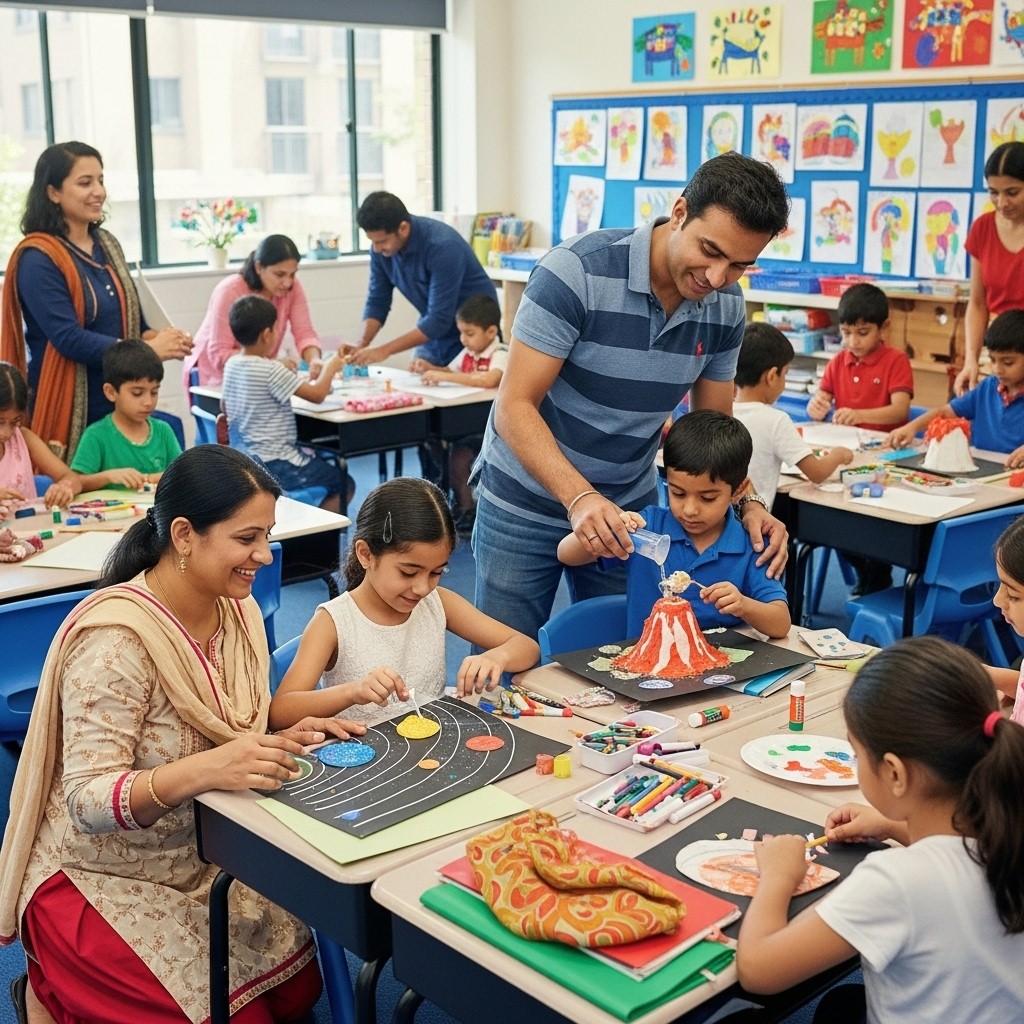
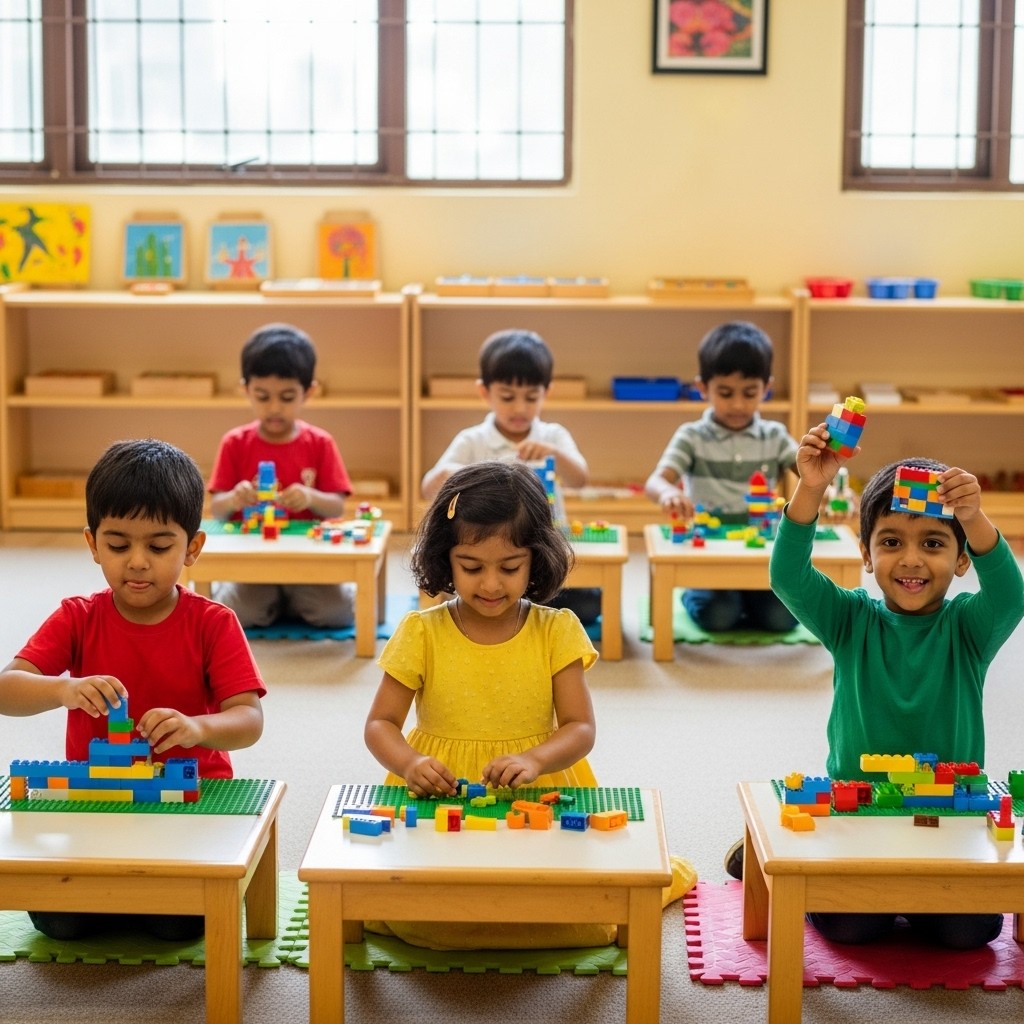
When you walk into an Anandi Primary Curriculum classroom, you won’t find rows of silent children memorising from textbooks. Instead, you’ll see:
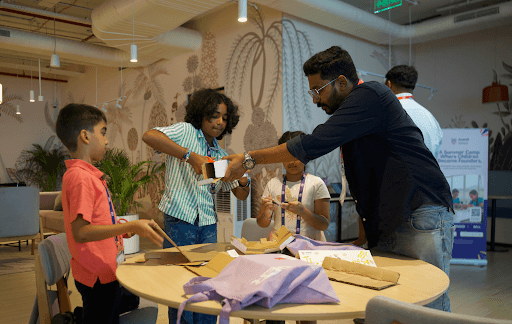
Children building models on the floor
Groups debating ideas on a whiteboard
Teachers moving between them, asking questions rather than giving answers
Naturally, parents ask: “But what do they actually do all day?”The answer is that the Primary Curriculum looks different because it is different. It prepares children for a world of innovation and opportunity by nurturing collaboration, critical thinking, and problem-solving, skills they will need whether they grow into entrepreneurs, researchers, or global leaders.
2. Learning Through Inquiry
At the heart of the Primary Curriculum is inquiry. Instead of beginning with a chapter, learning starts with a real-world question. Take the example of healthy lifestyles:
Traditional classroom: Students label the food pyramid or sort foods into groups.
Primary Curriculum classroom: Students explore the central idea “The choices we make affect our wellbeing.” They might:
Survey classmates about their sleep
Interview a nutritionist or athlete
Cook a healthy snack
Design a “Wellness Week” for the school
Here, children aren’t just recalling facts. They are connecting science, data, design, and communication skills that are relevant and transferable beyond one subject.
3. How the 4+1 Field Model Takes the Primary Curriculum Further
At Anandi, this is the point where our 4+1 Field Model steps in. The rhythm of the week is simple:
4 days of academic learning
1 day dedicated to a field project
In the early years of Primary Curriculum, each project runs for 12 to 20 weeks long enough for deep exploration, but adapted to the age and attention span of younger children. Older students in upper Primary Curriculum and Middle School Curriculum take on longer, more ambitious projects.
Children work in small pods, extending the same inquiry across multiple streams. Using the same healthy lifestyles example:

STEM and Design: Prototyping a basic fitness tracker or experimenting with nutritious snack recipes
Arts and Expression: Designing posters, short films, or performances about nutrition and easy sources available to educate a community of domestic help
Business and Entrepreneurship: Running a small “Healthy Café” stall at school, experimenting with pricing and customer feedback
Community Engagement: Partnering with an NGO on a wellness campaign or presenting findings to younger students and parents
The 4+1 model ensures that what begins as a classroom inquiry grows into a multi-disciplinary journey where academic knowledge is applied, tested, and stretched in the real world.
4. More Than Academics
Every inquiry and field project builds character as much as it builds knowledge.
Experimenting with a new design nurtures risk-taking
Listening to a teammate develops communication
Reflecting on setbacks strengthens self-awareness
At Anandi, we go one step further. While inquiry and field projects are central, we also ensure children build strong foundational skills across core subjects: literacy, numeracy, science, and the arts. These are continuously assessed and strengthened, giving every child both breadth and depth.
The aim is to raise principled, caring, and confident individuals young people who can thrive in Ivy League classrooms, lead start-ups, or contribute meaningfully to their communities.
5. Measuring Growth
Without traditional exams, parents often wonder: “How do you measure progress?”
In the Primary Curriculum, growth is tracked and celebrated through:
Portfolios that showcase student work over time
Exhibitions and presentations that demonstrate understanding
One-on-one reflections where students articulate their learning journey
What matters is not how much a child can memorise for a test, but how they can use their knowledge to think, create, and solve problems.
6. The Pursuit of Excellence at Anandi
At Anandi, the Primary Curriculum is not just a curriculum - it is a launchpad. Our Exploratory Field Model ensures that every child moves across STEM, arts, entrepreneurship, and community work, guided by:
Mentors and subject experts in the classroom
Field visits to museums, labs, and workplaces
Virtual sessions with global leaders and thinkers
This is how the pursuit of excellence comes alive at Anandi. It is how we blend academic rigour with real-world learning to prepare children not just for the next grade, but for the best of the world - whether that means leading ventures, shaping communities, or walking confidently into Ivy League lecture halls and finally to experience the joy in learning!