Creative thinking helps students explore possibilities, solve problems, and adapt in a rapidly changing world. Learn what creative thinking is, why it matters in education, and how schools can nurture this essential skill for 2026 and beyond.
Feb 25,2026
What is Creative Thinking?
Creativity is often misunderstood as something reserved for artists, writers, or musicians. That belief is incorrect. Creative thinking is a cognitive superpower that every human uses to navigate uncertainty, solve problems, and make decisions when there is no clear path.
It is the ability to look at the same information everyone else sees but notice a different pattern. Two people can face the same situation, but the one using creative thinking sees an alternative route.
This ability has become even more important today. Machines and AI can process data faster than humans, but they still struggle to produce original ideas that break patterns. Creative thinking is now the human edge. It allows individuals to adapt, invent, and respond when rules no longer apply.
Creative Thinking Definition
The creative thinking definition can be understood as divergent thinking. It is the ability to generate multiple solutions to a single problem instead of looking for only one correct answer.
It is also the mental process of breaking down established patterns to create new ones.
Creative thinking and critical thinking are often confused, but they serve different roles.
Critical thinking focuses on judging and evaluating ideas. Creative thinking focuses on generating and exploring ideas.
If one were to simplify, it would sound like:
Creative thinking asks: What else is possible
Critical thinking asks: Which option works best
Both are important, but creative thinking comes first because it produces the options that critical thinking later evaluates.
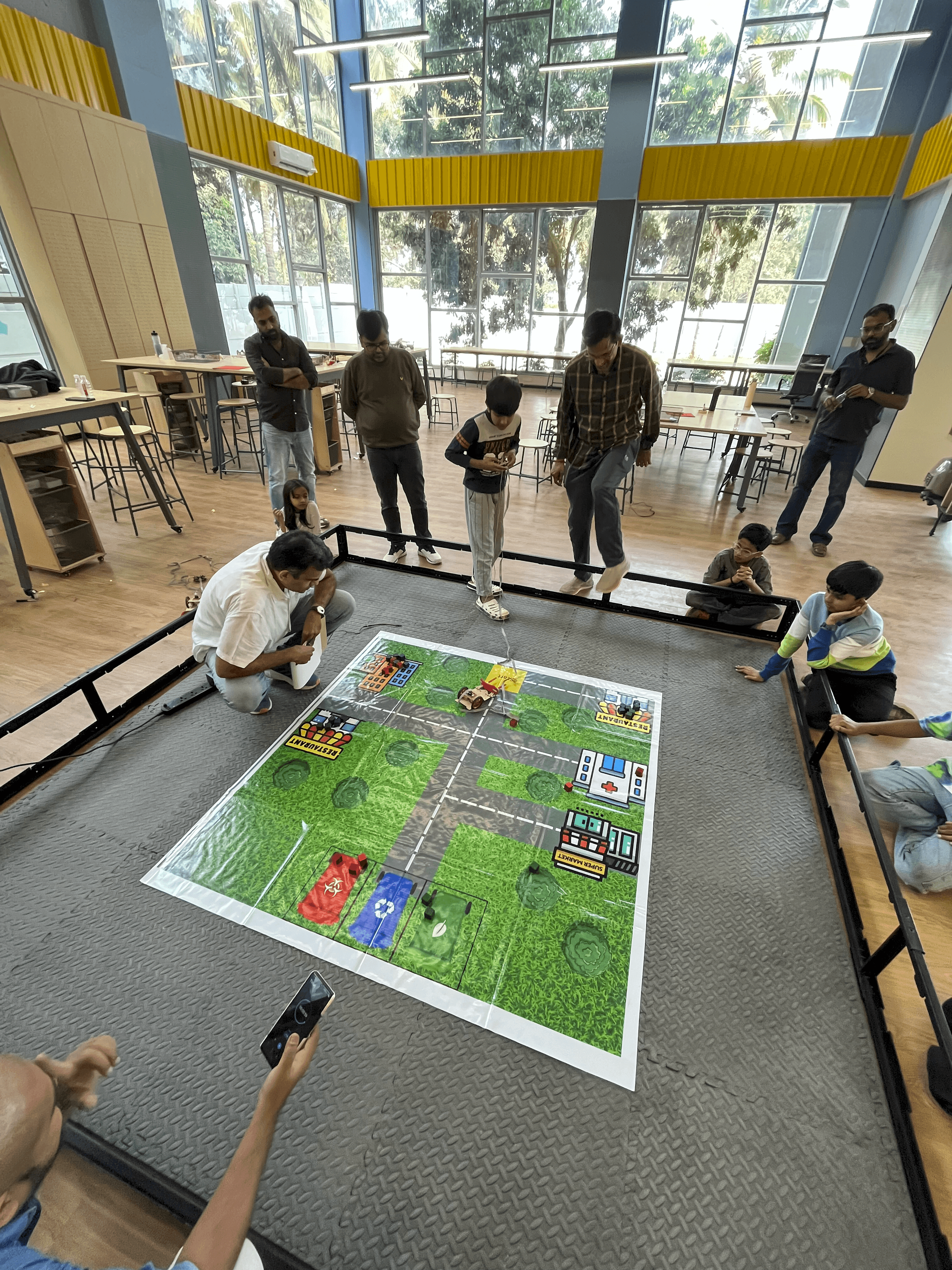
Examples of Creative Thinking
Creative thinking exists in daily life, workplaces, science, and communities. It is not limited to inventions. It often appears in simple problem solving.
Everyday Life
A person using a coin to tighten a screw when a screwdriver is not available is using creative thinking. Repurposing objects based on need shows flexibility in thinking.
Professional Example
A marketing team using gamification instead of traditional advertisements to engage users shows creative thinking. They change the method to achieve the same goal more effectively.
Scientific Example
Velcro was invented after a scientist noticed burrs sticking to dog fur. He did not ignore the observation. He converted it into a fastening system used worldwide.
Social Example
Communities sometimes resolve conflicts by organizing shared interest workshops instead of legal fights. This approach changes the path of resolution.
Creative thinking helps people find solutions when standard methods fail.
Why Is Creative Thinking Important in Today’s World?
Creative thinking importance has increased because the world is changing faster than before. New problems appear regularly, and old solutions do not always work.
Future of Work Demand
According to the World Economic Forum Future of Jobs Report 2023, creative thinking is ranked as the number two most important skill for workers. Its demand is expected to grow by 73 percent in the next five years.
A LinkedIn global study also identified creativity as the most important soft skill companies need.
This means employers are actively looking for people who can think differently.
AI and Automation Context
AI works using existing data. It analyzes patterns that already exist. It does not naturally create completely new concepts without human direction.
Creative thinking allows humans to imagine possibilities that do not yet exist.
This makes it irreplaceable.
Economic and Innovation Value
Creative industries contribute trillions to the global economy. Every new product, service, or system begins with creative thinking.
Without it, innovation stops.
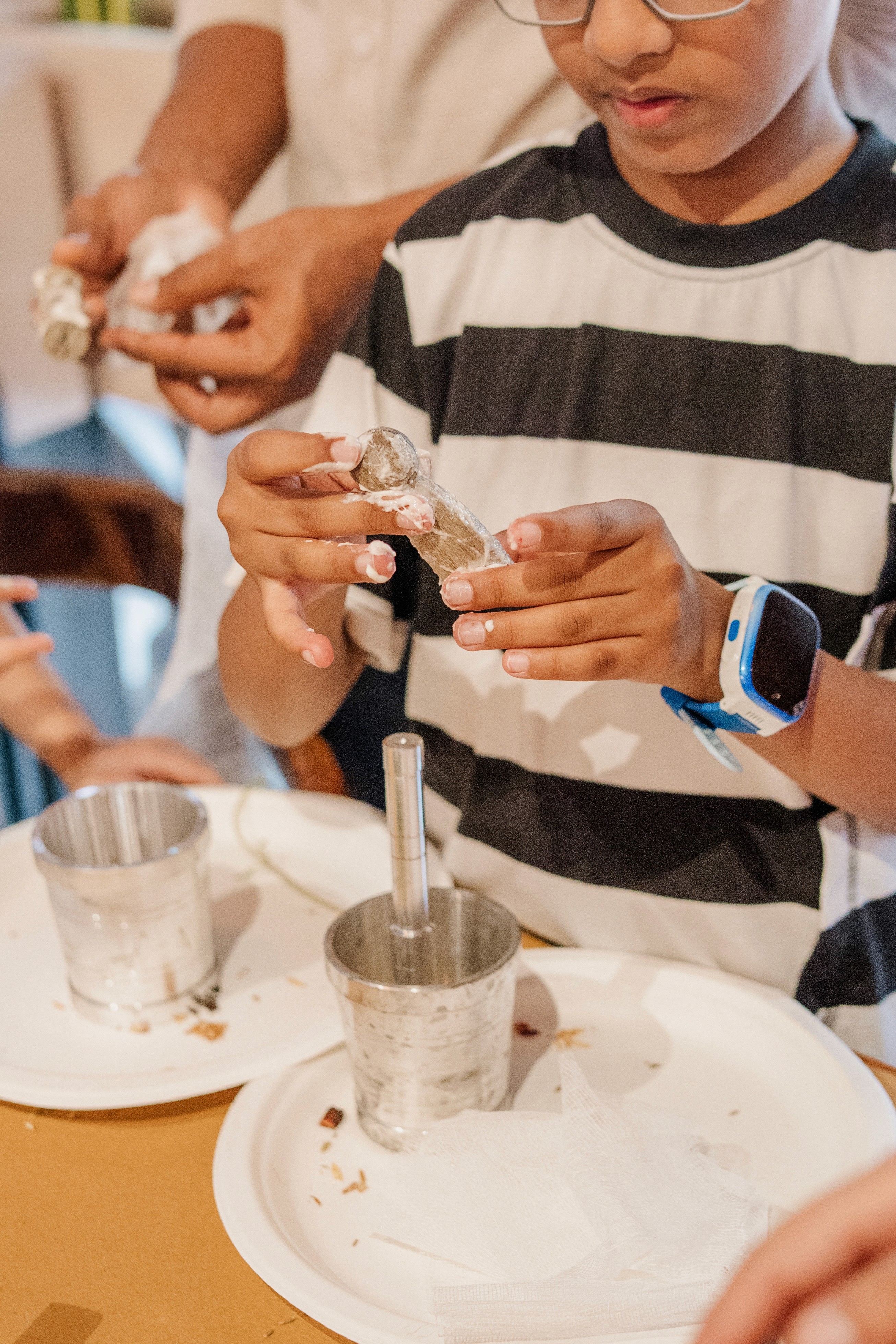
Creative Thinking in Education & Schools
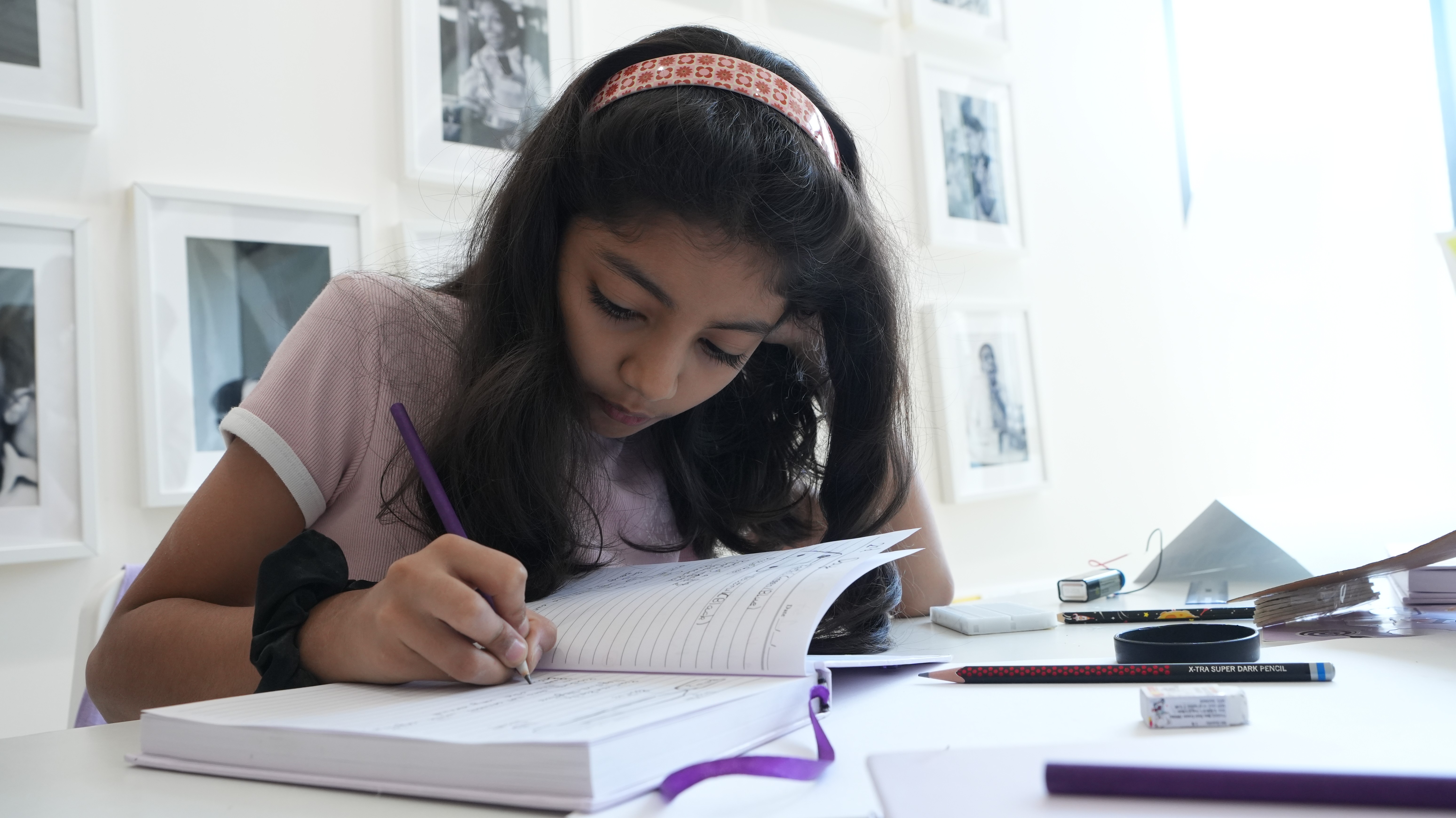
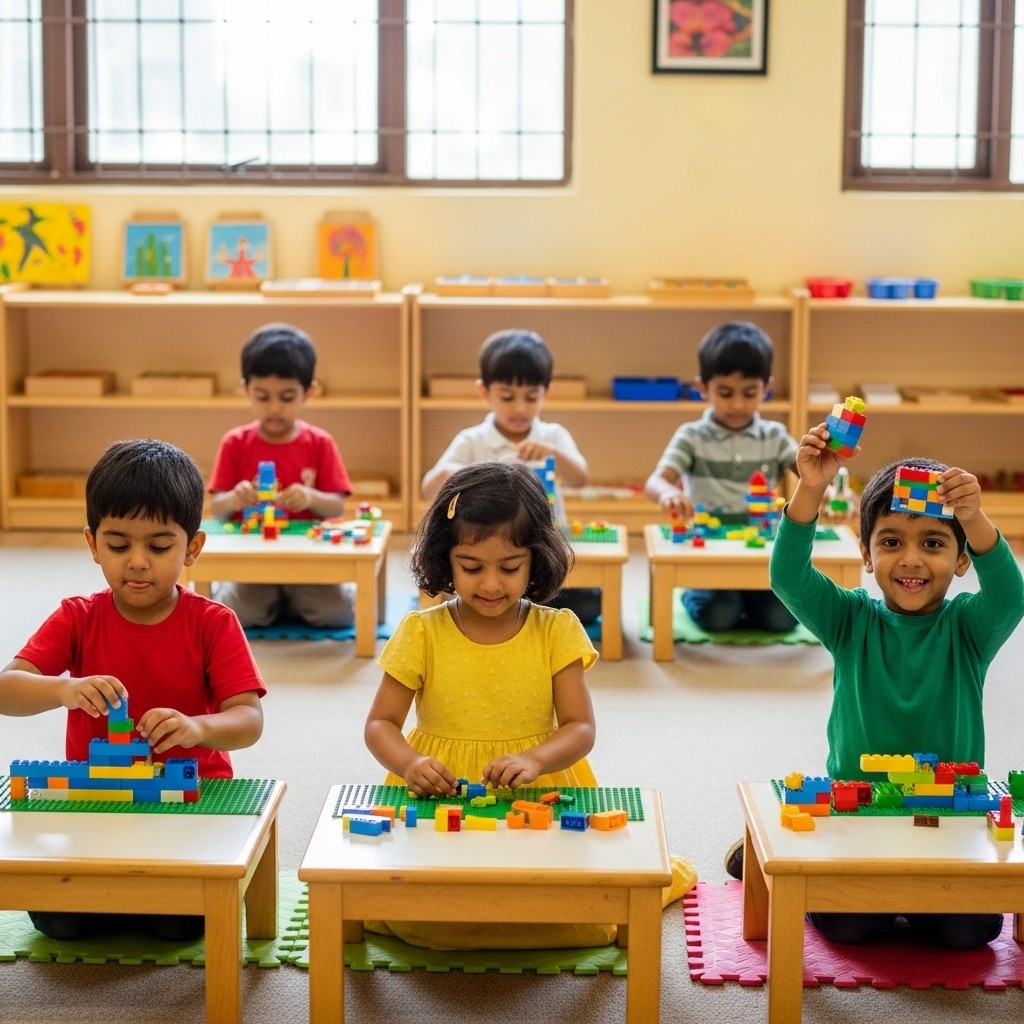
Creative thinking in education gives students the freedom to share ideas, ask questions, and explore different ways of understanding a topic. More than one answer often exists during classroom discussions. Space for thinking allows students to explain their reasoning in their own words. Imagination remains connected with logic, so ideas stay meaningful and useful.
Gradual growth in confidence becomes visible when students see their ideas respected. Greater curiosity appears when questions receive attention instead of quick closure.
Creative Thinking in the International Curriculum Framework
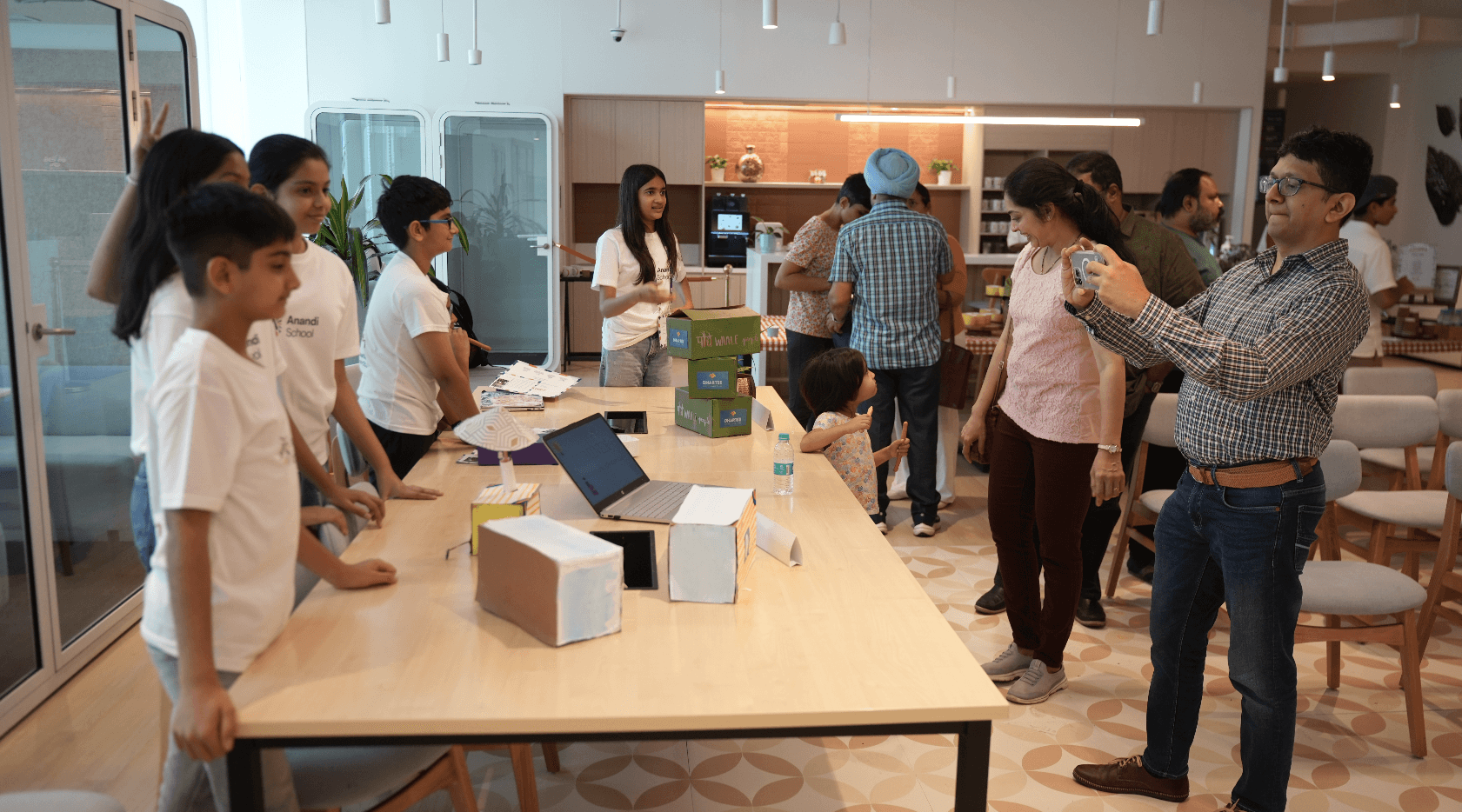
With the International Curriculum framework at Anandi, creative thinking develops as part of everyday learning. Here, major importance is placed on a student’s thinking, questioning, and understanding capabilities. The learning methods include opportunities to explore ideas, test them, and reflect on the process.
International Curriculum Learner Profile: Inquirers and Risk Takers
The International Curriculum Learner Profile describes students as Inquirers and Risk Takers. Questions become a normal part of classroom learning. Students try their own methods and share their thinking. Some attempts work, and some need improvement. Comfort with trying develops over time. Confidence grows when students see that effort and thinking are valued.
Inquiry-Based Units and Real World Tasks
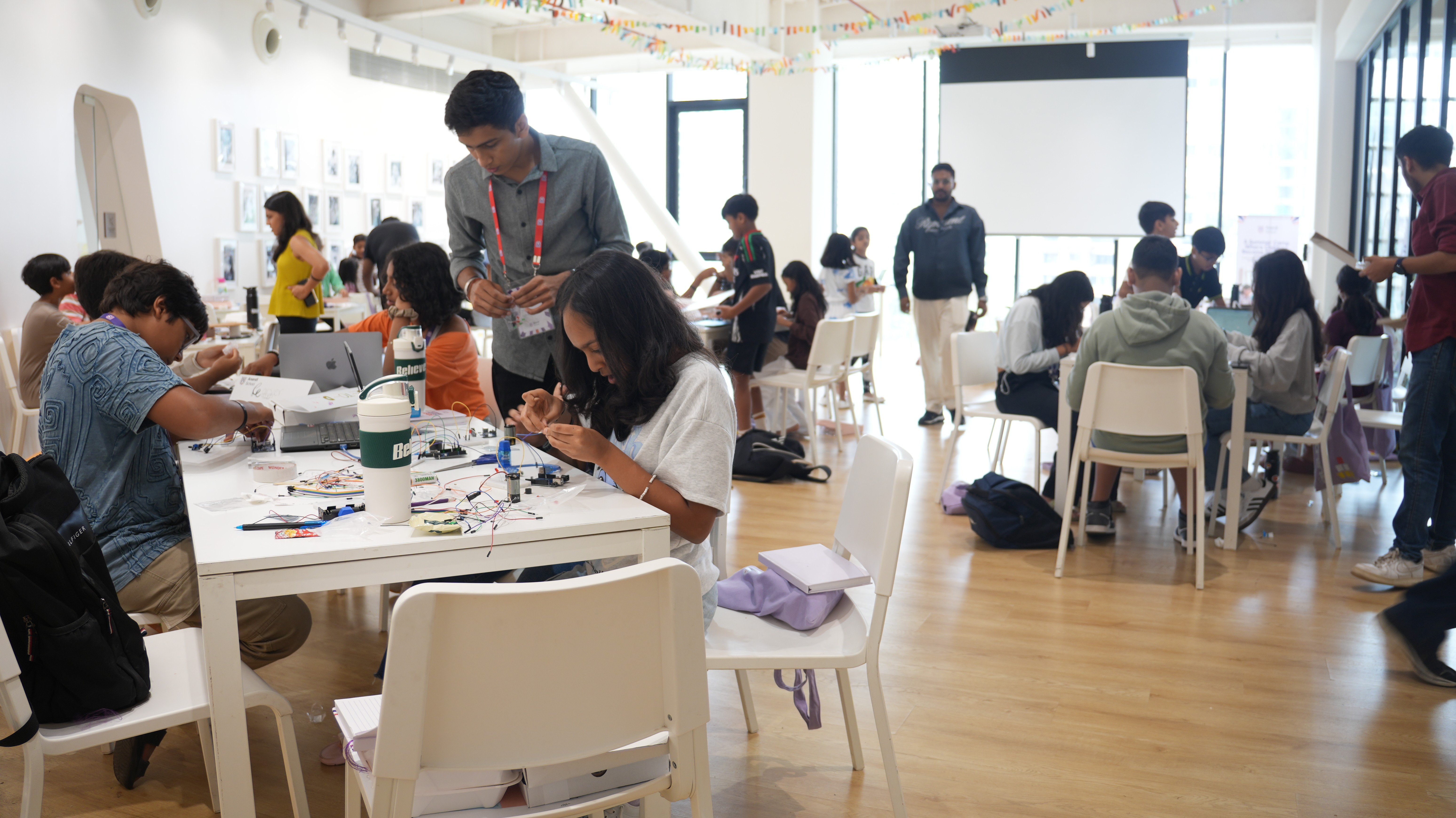
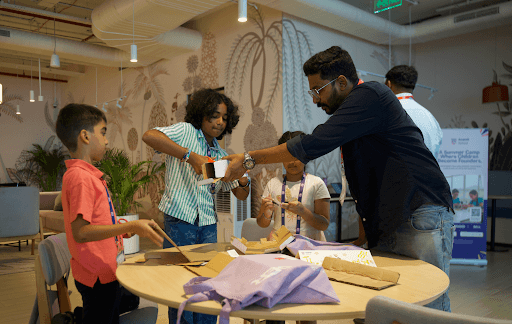
Suppose while teaching a lesson about climate change, their routine might include designing a sustainable city model. While ideating, students are told to get a few parameters right - transport, housing and energy use. Such critical decisions make students reach to the conclusion via trial and error basis and improve the systems without any scope of damage
Theory of Knowledge and Alternative Perspectives
Theory of Knowledge lessons include discussion about where knowledge comes from. Students examine information from different sources. Attention goes to why people may understand the same topic differently. Exposure to alternative perspectives helps students develop careful and thoughtful understanding.
Reflection as Part of Learning
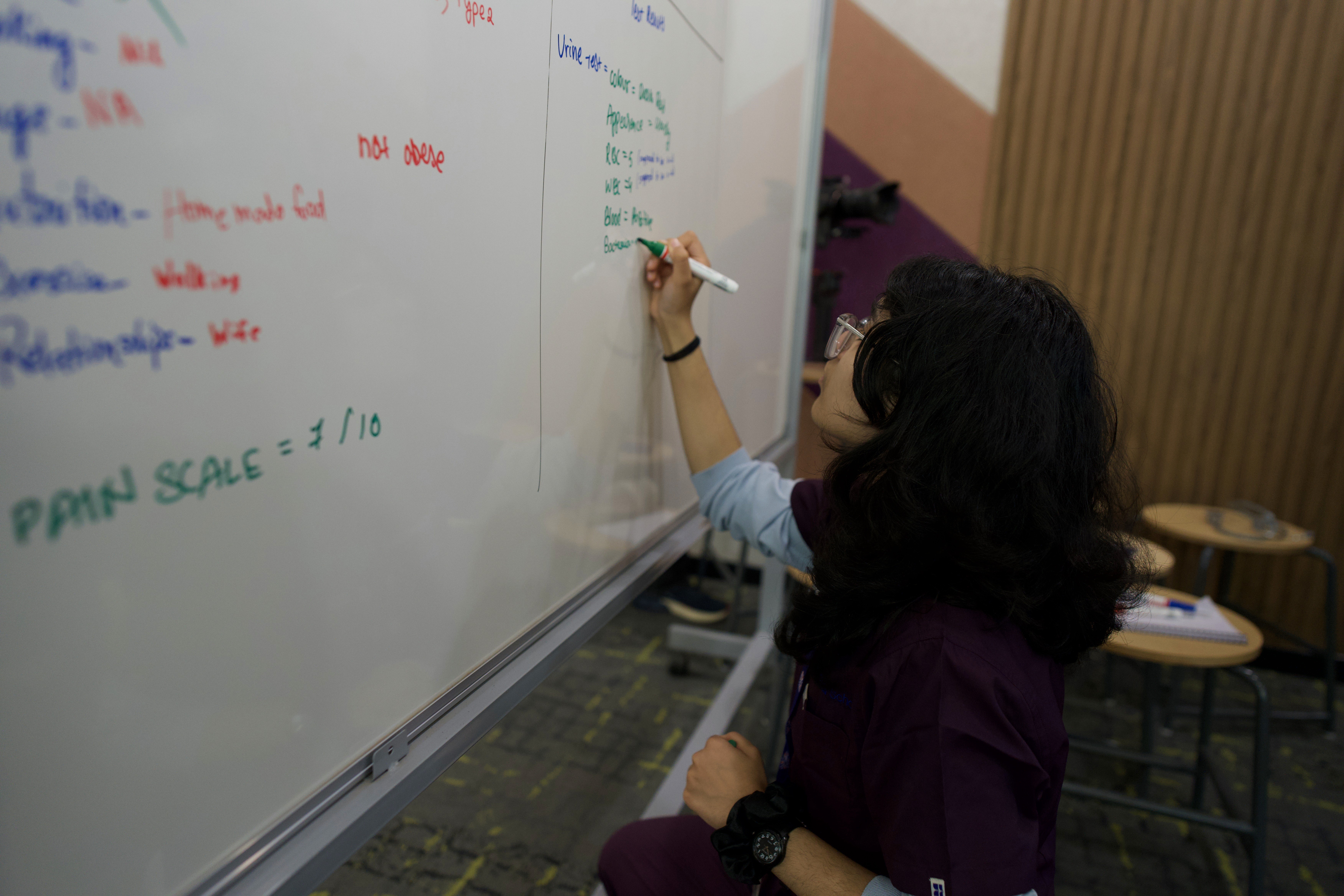
Reflection gives students time to review their own work. Attention includes the steps they followed and the choices they made. Students begin to understand how their thinking developed. This awareness helps them approach future tasks with more clarity.
Transdisciplinary Learning Across Subjects
In school, children usually study each subject separately. Math has its own class. Language has its own class. Science and history are taught at different times. Transdisciplinary learning, a key approach across many international curriculum schools in Bangalore, helps children see that these subjects are connected.
For example, in math, students may solve a problem and also explain the answer in words. This uses language skills. In science, they may learn about an invention and also understand when it happened, which connects to history. With time, children begin to use what they learn in one subject to help them in another. This makes learning more useful and easier to understand.
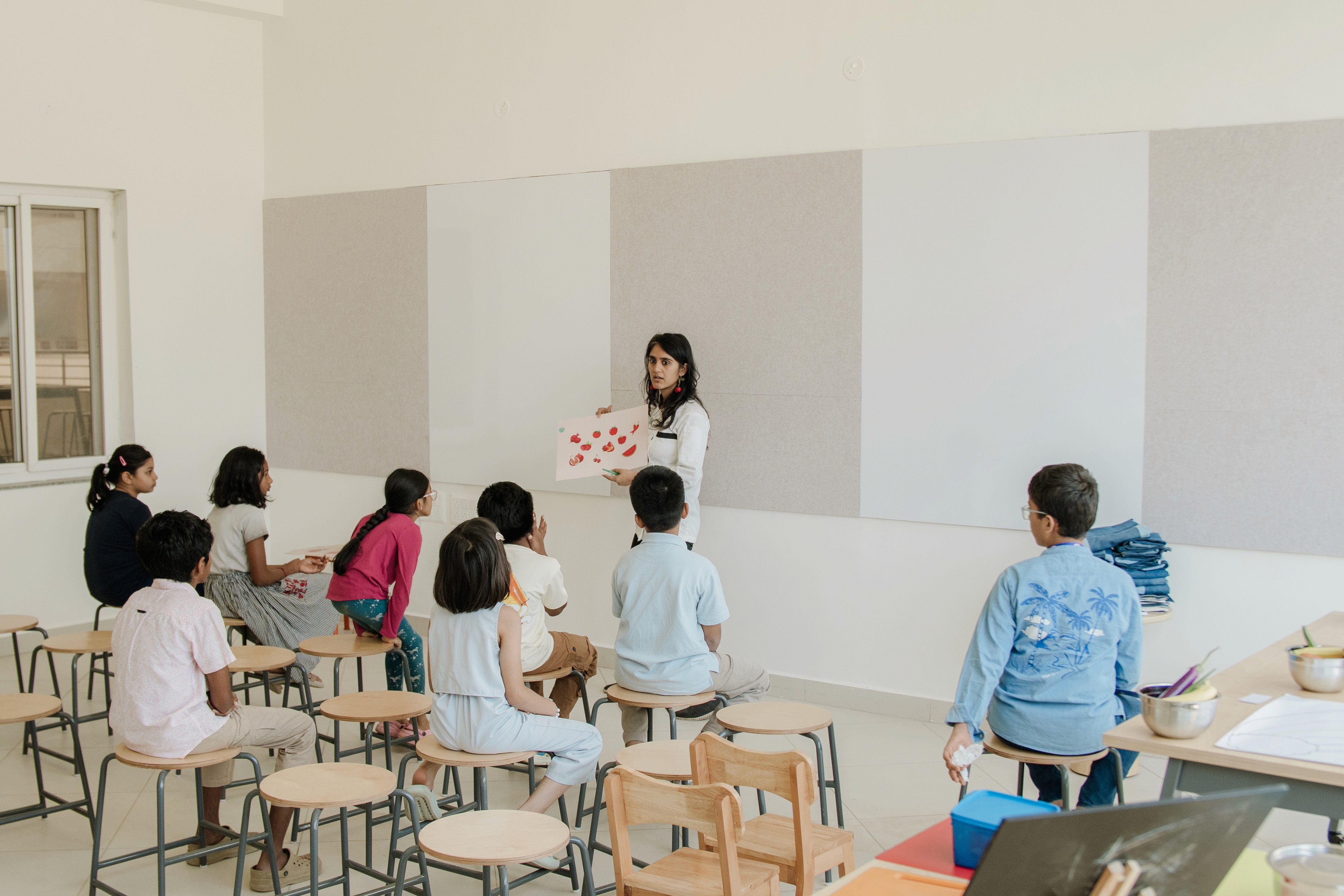
How to Improve Creative Thinking
In learning environments like international curriculum schools in whitefield bangalore, creative thinking improves when students develop the right mindset and practice structured techniques. Schools and parents can support this by encouraging idea exploration, visual thinking, and allowing time for reflection.
Building the Right Creative Mindset
The way adults respond to a child’s idea affects whether the child continues sharing ideas or stops. A quick rejection can make children withdraw. However, a patient response can help them stay engaged and keep thinking on the scenario they are tackling.
Replace “No, because” with “Yes, and”
Classroom discussions often begin with simple suggestions from students. A response like “Yes, and what can we add to this?” keeps the idea moving forward. Children start listening to each other more carefully. They begin adding, changing, and improving ideas together. Over time, they understand that ideas can grow through discussion instead of ending immediately.
Accept Mistakes as Part of Learning
Mistakes give children useful information about what did not work. When mistakes are treated calmly, children remain willing to try again. Less hesitation appears when they face a new problem. Greater effort becomes visible because fear of being wrong reduces. Children begin focusing more on improving their work instead of avoiding difficulty.
Using Structured Creative Thinking Techniques
Most of the time, children have ideas but may not know how to develop them. Simple techniques give them a starting point. These methods help them look at the same idea in different ways and make changes step by step.
SCAMPER Technique for Idea Improvement
SCAMPER gives children permission to change their own ideas instead of sticking to the first version. A child working on a model, for example, may realize that one part is not working well and decide to replace it. Another child may combine features from two earlier attempts. Sometimes they work up to it by trial and error and notice the design works better without it.
Mind Mapping to Connect Ideas
Mind mapping allows children to put their thoughts on paper in a visual form. A central idea remains in the center, while related ideas branch out from it. Children begin to see connections between different points. New ideas often appear when they look at the map. This makes thinking more organised and easier to expand.
Allowing Time for Incubation and Reflection
Children do not always find answers while they are sitting with the problem, and struggling with it. Sometimes, they must step away to recollect their thoughts, even through the uncertainty.
Importance of Rest and Mental Breaks
There will be times where a child will feel a rut. Where nothing seems to work, even after trying for some time. Staying longer does not always help. A short break, a walk, or simply shifting attention elsewhere can change how they see the same problem. Because of this, rest becomes part of the thinking process, not a break from learning.
Encouraging Reflection After Activities
Reflection helps children understand their own thinking. Looking back at their work allows them to notice what helped and what did not. This awareness becomes useful during the next activity. Children begin making better decisions because they remember their earlier experience.
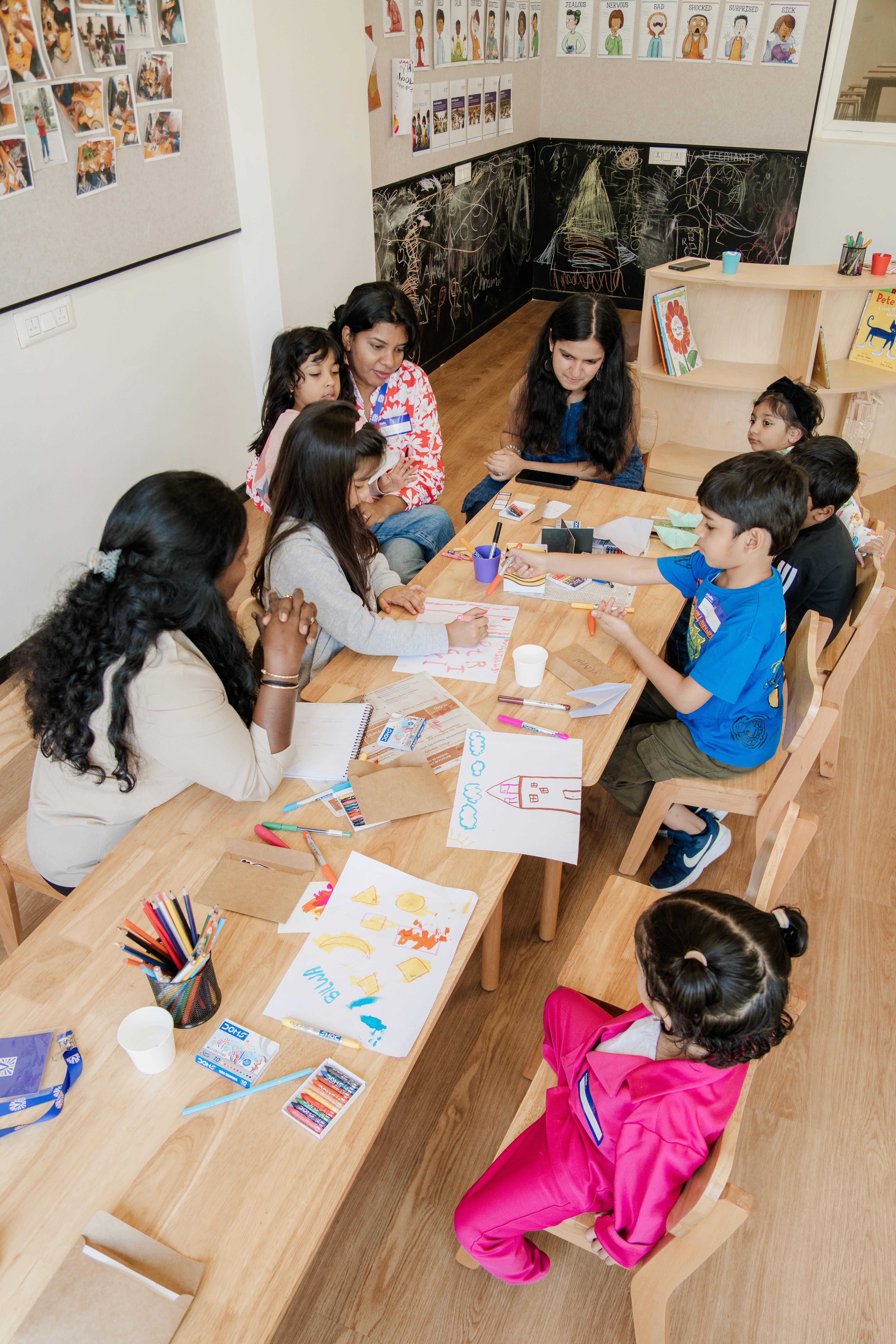
Challenges in Developing Creative Thinking
Creative thinking does not disappear suddenly. It reduces gradually when children are not given the right environment to question, explore, and experiment. Several psychological and educational factors influence this decline over time.
Creative thinking can be reduced over time when students are not given the right environment to explore and express ideas. Research and educational patterns show that certain psychological and academic factors gradually limit a student’s natural creative abilities.
The Creative Cliff Effect
A well-known NASA study by George Land and Beth Jarman showed that 98 percent of five-year-olds tested at a creative genius level. By age ten, this dropped to 30 percent. By age fifteen, it dropped further to 12 percent. In adults, only 2 percent remained at that level. This shows that creativity is not something children lack, but something that declines from their psyche when they grow up in environments that focus more on correct answers rather than idea exploration.
Fear of Social Judgment
Many students are hesitant to express their ideas due to their fear of being judged or providing the incorrect answer. This is known as the Spotlight Effect, in which people believe others are constantly evaluating them. Over the years, this fear causes students to avoid taking risks, limiting their willingness to propose novel ideas or investigate alternative solutions.
Education System Limitations
Traditional standardized testing focuses on accuracy and selecting the correct answer. Creative answers that do not match expected responses are often marked wrong. This trains students to avoid experimenting and instead focus on giving safe, acceptable answers. As a result, students begin to prioritize correctness over originality.
Fixed Mindset About Creativity
Some children come to see creativity as a special strength that shows differently in each person. Experiences in early years, classroom moments, and feedback shape how they view their own ideas. Familiar methods often feel comfortable, so children may return to them more often. However, with gentle encouragement and the right opportunities, we can influence them to explore new approaches. And gradually, with greater self-trust develops in their own thinking, and creative ability becomes more visible through regular use and practice.
Conclusion
Children begin showing creative thinking long before anyone calls it that. It appears in their questions. In the unexpected answers. In the small attempts they make to figure things out on their own. Not every answer is complete, and it doesn’t need to be. What matters is the experience of thinking. With time and the right support, children start trusting their own ideas. That trust becomes quiet confidence. It stays with them.
The future they step into will keep changing. New situations. New expectations. Children who are used to working through their thoughts learn to adjust more comfortably. They listen. They observe. They form their own understanding. Learning, then, does not stay inside notebooks or classrooms. It becomes part of how they live.
For adults, the role is simpler than it seems. Not every answer needs to be given. Sometimes, a pause helps more. Sometimes, a question back helps more. Space to try. Time to think. Encouragement to continue. Through these moments, children grow into individuals who can rely on their own thinking.
FAQs
Q1. What are creative thinking skills?
Ans. Creative thinking skills show up when students begin to look at something in their own way. Instead of stopping at the first answer, they explore other possibilities. Curiosity plays a big role here. Students start noticing patterns, asking questions, and trying ideas that feel new to them. This is how original and useful solutions begin to take shape.
Q2. Why are creative thinking skills important for students?
Ans. Students regularly face situations where the answer is not immediately clear. Creative thinking helps them stay with the problem and work through it. With time, they become more comfortable handling change and uncertainty. This builds confidence. They begin to trust their ability to figure things out, which supports them throughout their education and later in life.
Q3. How is creative thinking different from critical thinking?
Ans. Creative thinking usually comes first. This is when students explore ideas, imagine possibilities, and suggest different approaches. Critical thinking follows. Students look at those ideas more carefully, ask questions, and decide which one makes the most sense. One helps create options, and the other helps choose between them.
Q4. What are effective creative thinking strategies?
Ans. Creative thinking grows when students are given ways to work with their ideas. Brainstorming allows them to share freely. Mind mapping helps them see connections. Sometimes stepping away from the task helps them return with a clearer mind. These experiences help students expand their thinking and develop stronger solutions over time.
Q5. Can creative thinking skills be measured or assessed?
Ans. Creative thinking becomes visible through student work. Open ended projects, classroom discussions, and idea generation activities show how students approach problems. Teachers observe how students develop, adjust, and improve their ideas. The focus stays on the thinking process as much as the final outcome.