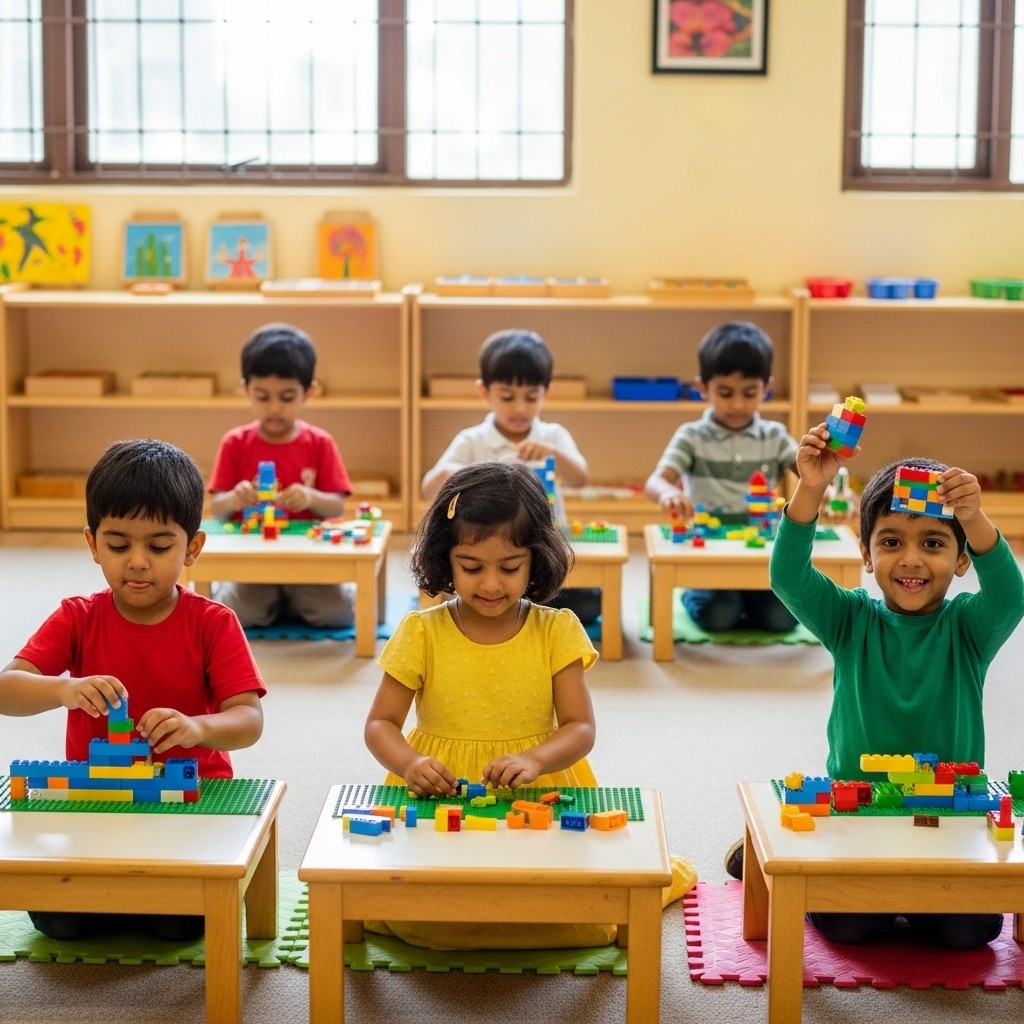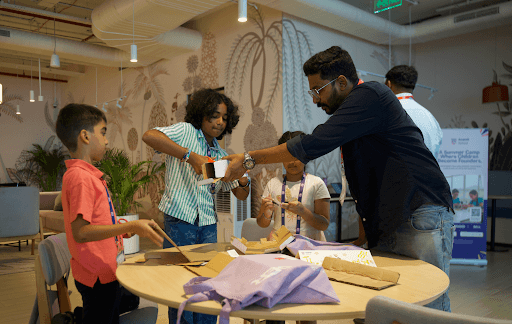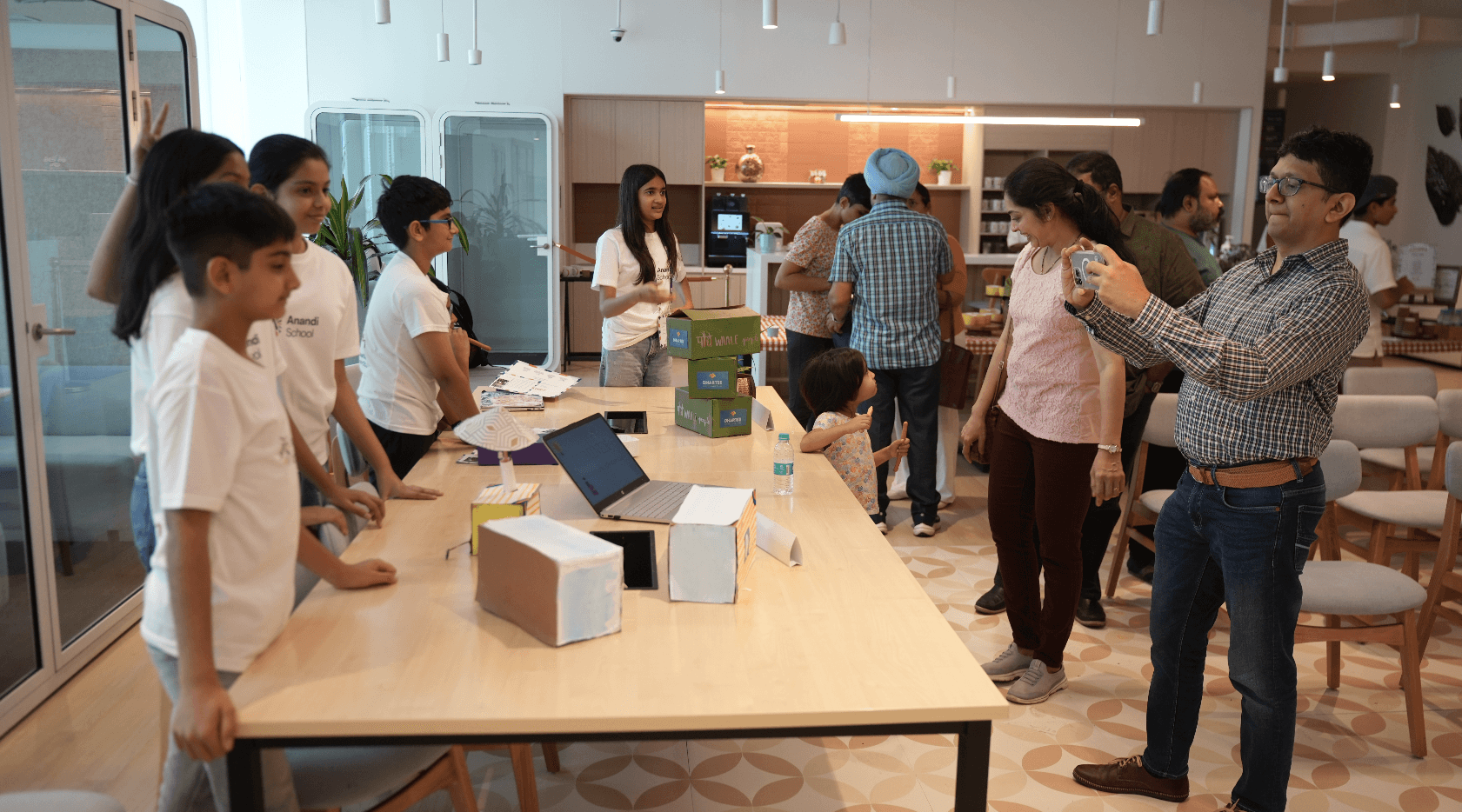
Robotics is shaping the world your child will grow into. Here is how learning it early helps them build, adapt, and lead.
March 7, 2026
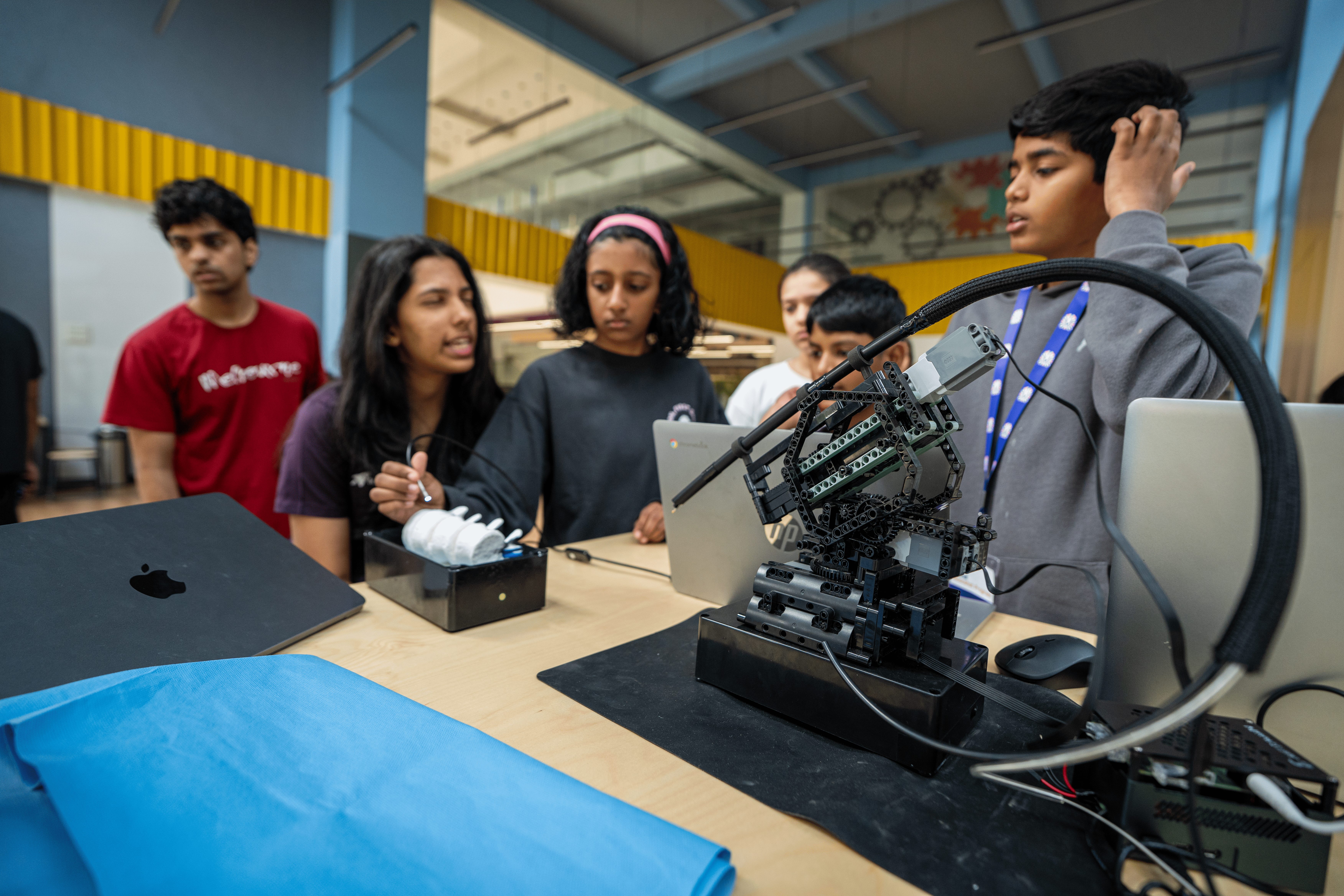
According to the World Robotics Report 2024, the global density of robots in workplaces has more than doubled in the last seven years, reaching an average of 162 robots per 10,000 human employees.
That number makes one thing clear. Robots aren’t coming someday. They’ve already started working alongside us. They assist surgeons in hospitals with precision tasks. Farms use robots to monitor crops and automate harvesting. Logistics companies rely on robotic systems to sort, move, and deliver goods faster than ever. Even daily life now runs on AI-powered machines, from voice assistants to automated home devices.
Children growing up today will not see robots as something unusual. They will see them as part of normal work, normal systems, and normal life. Many of them will eventually work alongside these technologies, manage them, or build new ones.
In simple terms, robotics is no longer an extracurricular activity. It is becoming a way to prepare children for the kind of world they will live in and grow up in.
What Is Robotics for Kids?
Across every international curriculum school in India, educational institutions are creating an updated curriculum to teach robotics for kids, where they can learn how machines are designed, built, and programmed to perform tasks.
Now, for parents, this may look like children are simply building small machines, at least for starters. But something deeper is happening. They are learning how systems work. They are learning how technology senses, decides, and responds.
Let’s understand a robot by imagining it as a small decision-making unit. It does not act randomly. It follows a clear flow. Here is what actually makes a robot work
Sensors help the robot understand its environment. For example, a sensor can detect light, distance, heat, or obstacles. This is how the robot knows what is happening around it.
Motors help the robot perform actions. Motors make wheels turn, arms move, or parts rotate. This is how the robot interacts with the physical world.
Code acts like instructions. It tells the robot what to do when certain conditions are met. For example, if a sensor detects an obstacle, the code tells the robot to stop or change direction.
Design connects everything into a working system. Children decide how parts should be arranged so the robot performs its task properly.
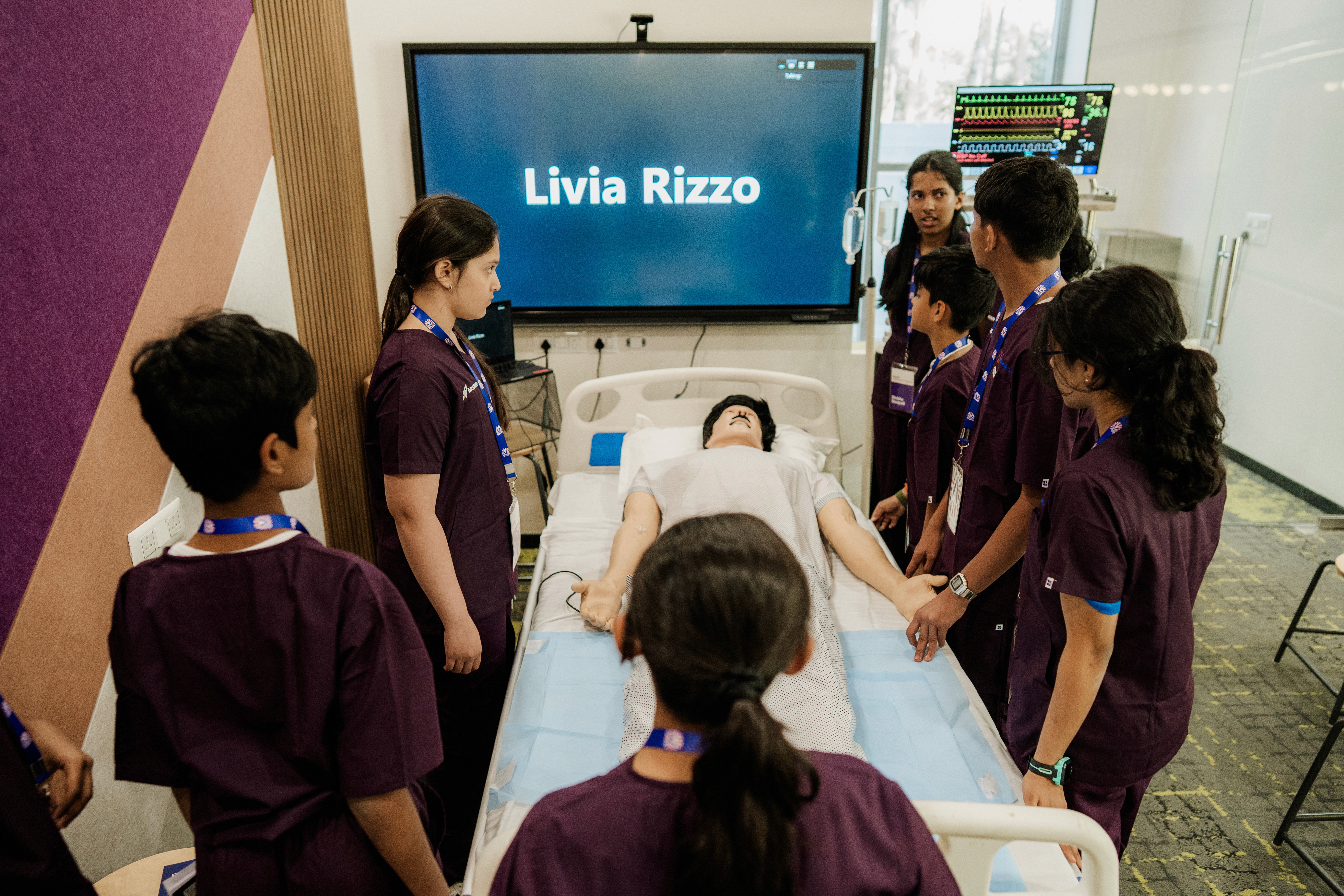
So it is safe to say robotics in schools is enabling children to apply science concepts they read in class. For example, when a student writes code and the robot moves exactly as planned, they understand cause and effect clearly. When the robot does not work, they debug it. They test. They improve. This process builds real understanding.
Why Kids Should Get Into Robotics from an Early Age
When children start robotics early, something fundamental changes in how they approach problems, failure, and learning itself. Robotics activities for students are not just about machines. The entire process uplifts them to distinguish between deterministic and dynamic thinking. They respond to challenges differently and can easily identify their role in a technology-driven world.
Building Problem-Solving Thinking
Robotics quietly teaches children how to bring order to confusion. A big task stops feeling overwhelming when they learn how to break it down, test it, and improve it step by step. This is where the real benefit of robotics begins. It trains the brain to think in systems, not reactions.
Learning to break problems into steps
A child may start with a simple goal like making a robot cross the room. At first, it feels like one big problem. Then they learn to split it into smaller steps.
They ask questions like
What makes the wheels move
How far should the robot travel
What happens if there is an obstacle
This process builds critical thinking skills. They stop guessing and start reasoning.
Building logic through If-Then thinking
Robotics introduces simple decision logic. If there is an obstacle, then stop. If the path is clear, then move forward. This kind of thinking improves decision-making not just in robotics, but in writing, math, and daily life.
Learning through trial and improvement
The first version rarely works. Children adjust the code. They change the design. They test again. They learn that mistakes are data, not failure. This is one of the strongest robotics benefits. It develops structured thinking that stays with them for life.
Building Confidence Through Creation
There is a powerful emotional shift when a child builds something that actually works. Robotics activities for students take them through frustration, debugging, and success. This journey builds confidence in a way passive learning never can.
Developing a Growth Mindset through debugging
When code fails, the child does not see themselves as the problem. They see the code as something that needs fixing.
A challenge that reinforces their growth mindset. They understand and accept that effort improves results. This is a core benefit of robotics.
Building emotional resilience
While building a robot, every child will experience this moment.
The robot does not respond
They feel stuck
They try again
Suddenly it works
That success creates belief. It is quite similar to the experience when kids try to learn how to ride a cycle. Only now with times, the bar has skyrocketed beyond our comprehension. We are reaching for an education model that will help children realise they can solve hard problems.This is how robotics becomes a sandbox for the real world.
Turning Theory into Tangible Reality
Many academic concepts remain abstract for children until they see how those concepts function in real situations. In many International Curriculum schools in Bangalore, robotics activities for students help bridge that gap by turning theory into visible action.
Making mathematical concepts useful
Instead of solving math problems without context, children use calculations to control how far a robot moves or how precisely it turns. This application makes math feel relevant because they can see the direct impact of their calculations.
Seeing physics through real movement
When a robot slips on a smooth surface or moves differently on rough ground, children begin to understand concepts like friction and balance without needing complex explanations. These observations create a stronger understanding because the learning comes from experience.
STEM connects in one system
Robotics helps children see how Science, Technology, Engineering, and Math function together. Sensors rely on scientific principles, programming uses technology, structure involves engineering, and movement requires mathematical calculations. This integration is a key benefit of robotics because children see how knowledge connects instead of existing as separate subjects.
Prepares Children for a Technology-Driven Future
Children who grow up with robotics exposure develop familiarity with systems that will be common in their future workplaces and daily lives. This familiarity helps them adapt more easily because they understand how automated systems behave.
Preparing children for collaboration
Future environments will include machines that respond to instructions, and children who engage in robotics activities for students understand how those instructions control behaviour. This understanding reduces hesitation and builds confidence when interacting with technology.
Robotics as a foundational modern skill
Just as computer literacy became essential in previous decades, understanding systems is becoming increasingly important now. Robotics helps children build this foundation in a practical way.
Robotics Project Ideas for Middle School Students
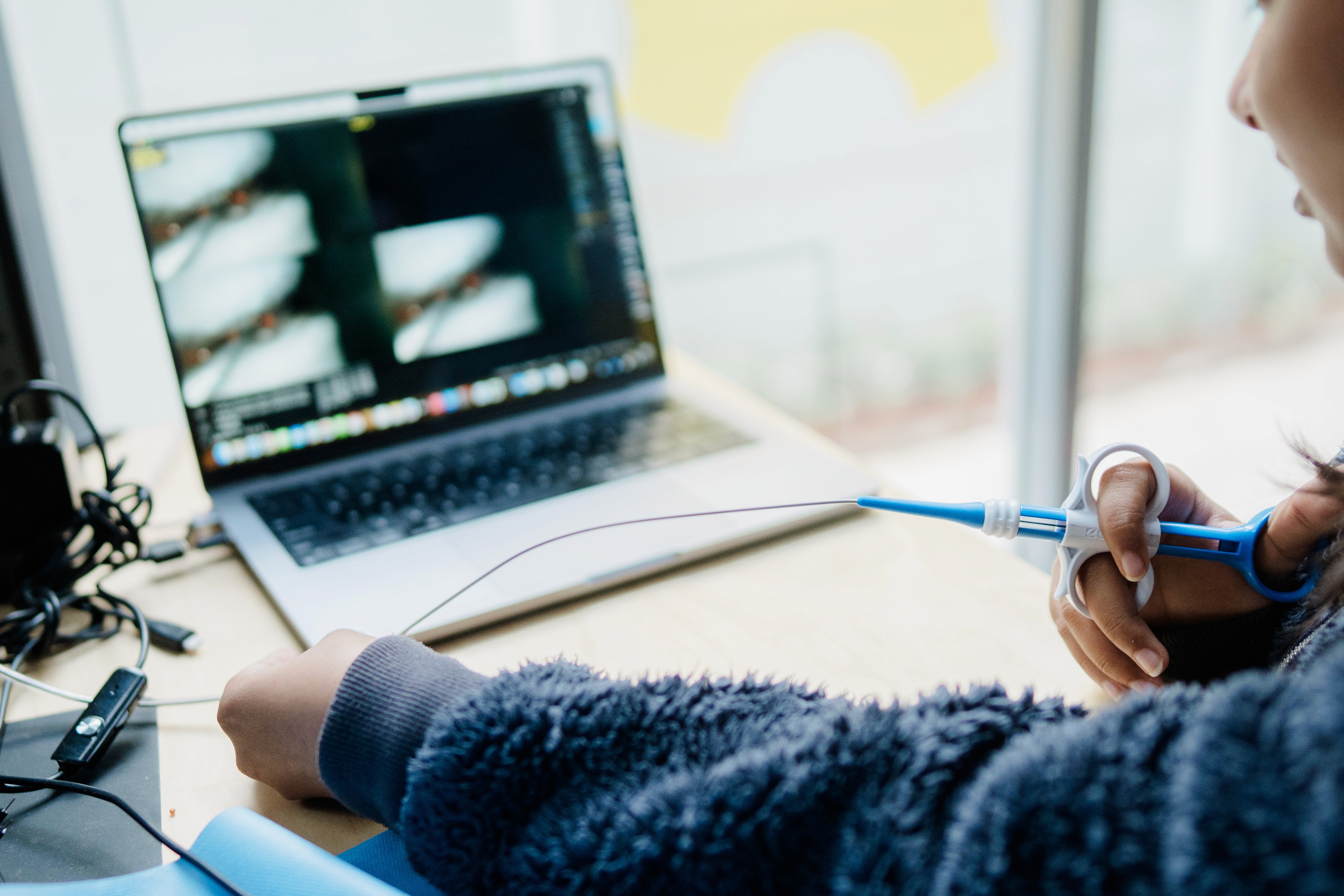
Middle school is where robotics starts becoming real for children. At this stage, they are no longer satisfied with pressing buttons and watching something move. They want to understand how it works and how to make it better. The right robotics activities for students at this level help them connect logic, design, and real-world systems in a way that feels practical.
Beginner Projects
Most robotics for middle schoolers begins with projects that focus on movement and response. These projects may look simple on the surface, but they introduce the core logic behind every automated system.
Common beginner projects include
Line following robots that move by sensing and following a path
Obstacle avoiding robots that detect and change direction
Simple moving robots controlled through basic instructions
When children build these, they start understanding how circuits, sensors, and code work together. They see how a sensor detects information and how the robot responds based on logic. This is usually the first time they realise that machines follow instructions exactly as written, which makes them more careful and structured in their thinking.
Intermediate Projects
Once children understand basic movement, they naturally want to build something more functional. Intermediate robotics activities for students introduce mechanical design and automation concepts that are used in real machines.
Popular intermediate projects include
Robotic arms that can lift or move objects
Robot hands that mimic human finger movement
Light tracking robots that follow a light source
These projects help children understand how multiple moving parts work together. They learn how motors control joints and how programming controls movement. This stage strengthens their ability to design systems instead of just assembling them.
Creative Projects
Not every robot needs to solve an industrial problem. Some of the most powerful robotics for middle schoolers comes from creative experimentation, where children combine imagination with engineering.
Examples include
Art drawing robots that create patterns on paper
Robots designed to solve simple everyday problems
These projects encourage creative thinking because children move beyond instructions and start building based on their own ideas. This is also where real objects inspire learning, because children begin noticing problems around them and thinking about how robots could solve them.
Real-World Inspired Projects
At this stage, children can begin working on projects inspired by technologies they see in real life. These projects help them understand the systems shaping modern industries.
Examples include
Mini self driving cars that detect obstacles and make navigation decisions
Drone models that simulate balance, motion, and flight control
This is where an important future skill begins to develop. Employers today are increasingly looking for T shaped individuals, which means people who understand many areas broadly but also have deep expertise in one area. Robotics projects naturally build this pattern. A child working on a self-driving robot learns coding, mechanics, and sensors at a broad level while also going deeper into automation logic.
How Robotics Will Change Society And How Kids Will Grow with It
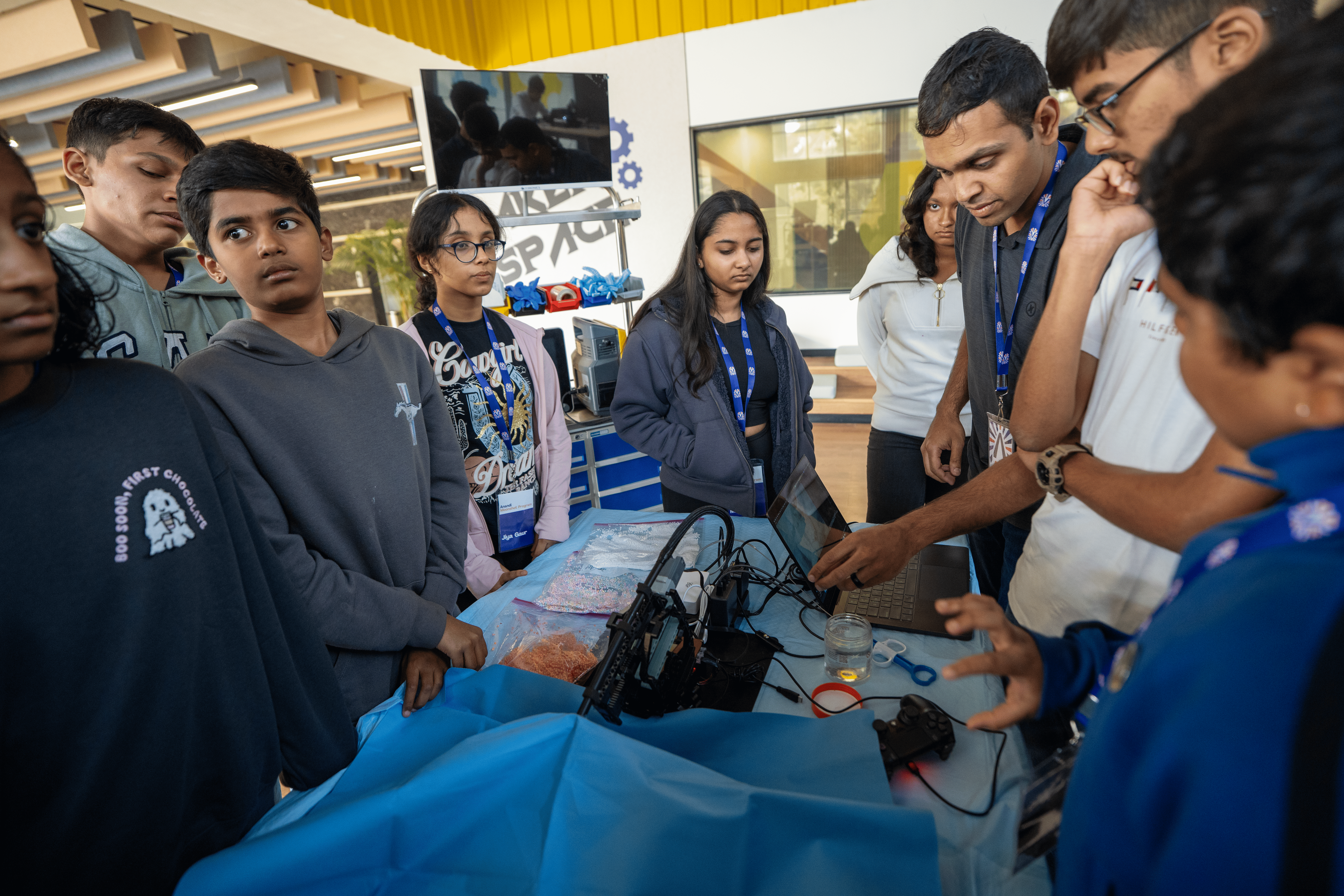
Thirty years ago, the internet quietly changed how the world worked. Today, robotics is doing the same thing. Work that once needed constant human effort is slowly becoming automated, not to replace people, but to make life safer, faster, and more efficient.
This is especially important because by 2030, nearly 40 percent of existing skill sets in the workforce will be outdated. The jobs of the future will need people who understand systems and can improve them, and this is one of the long-term benefits of robotics for children.
Robotics in Healthcare
In hospitals, robots are already helping doctors perform surgeries that require extreme precision. These machines assist surgeons in making tiny, accurate movements, which helps patients recover faster and reduces complications.
Hospitals are also using care bots. These robots help deliver medicines, assist elderly patients, and support routine hospital work. This improves patient care and reduces burnout for doctors and nurses. When children are exposed to robotics activities for students, they begin to understand how technology can directly help people and improve lives.
Robotics in Industry
Robots are now handling the 3 Ds in industries, which means work that is dull, dirty, and dangerous. In factories, huge robotic arms help assemble cars and heavy machinery. In warehouses, smart robots find and move packages within seconds. This makes products more affordable and protects human workers from unsafe environments. Children exposed to robotics in schools start understanding that automation exists to support human work, not just replace it.
Robotics in Agriculture
Agriculture is also changing with the help of robotics. This is called smart farming. Farmers now use drones to check if crops need water. Robots help plant seeds, monitor crop health, and even pick fruits at the right time. This helps produce more food while using less water and fewer chemicals. When children learn robotics, they begin to see how technology connects to essential areas like food and sustainability.
Robotics in Everyday Life
Robots are no longer limited to factories. They are entering homes and daily routines. Robotic vacuum cleaners are already common. Delivery robots are being tested in cities. AI assistants help manage home lighting, temperature, and energy use. These systems save time and make daily life easier. Through robotics activities for students, children learn that these machines follow human instructions and are built by people like them.
How Anandi School Is Visualising This Future Through Its Education System
Most schools still follow a model where students learn concepts, write exams, and move to the next topic. The assumption is that understanding will become useful later. Life at Anandi School takes a different route. Here, students do not stop at consuming knowledge; they use it to build something.
This shift becomes visible early through the Primary Curriculum, where learning connects with action. Students work on real systems, and this learning by doing approach helps students understand how knowledge behaves in real situations, which prepares them for a world where application matters more than memorisation.
Anandi Moonshot Program
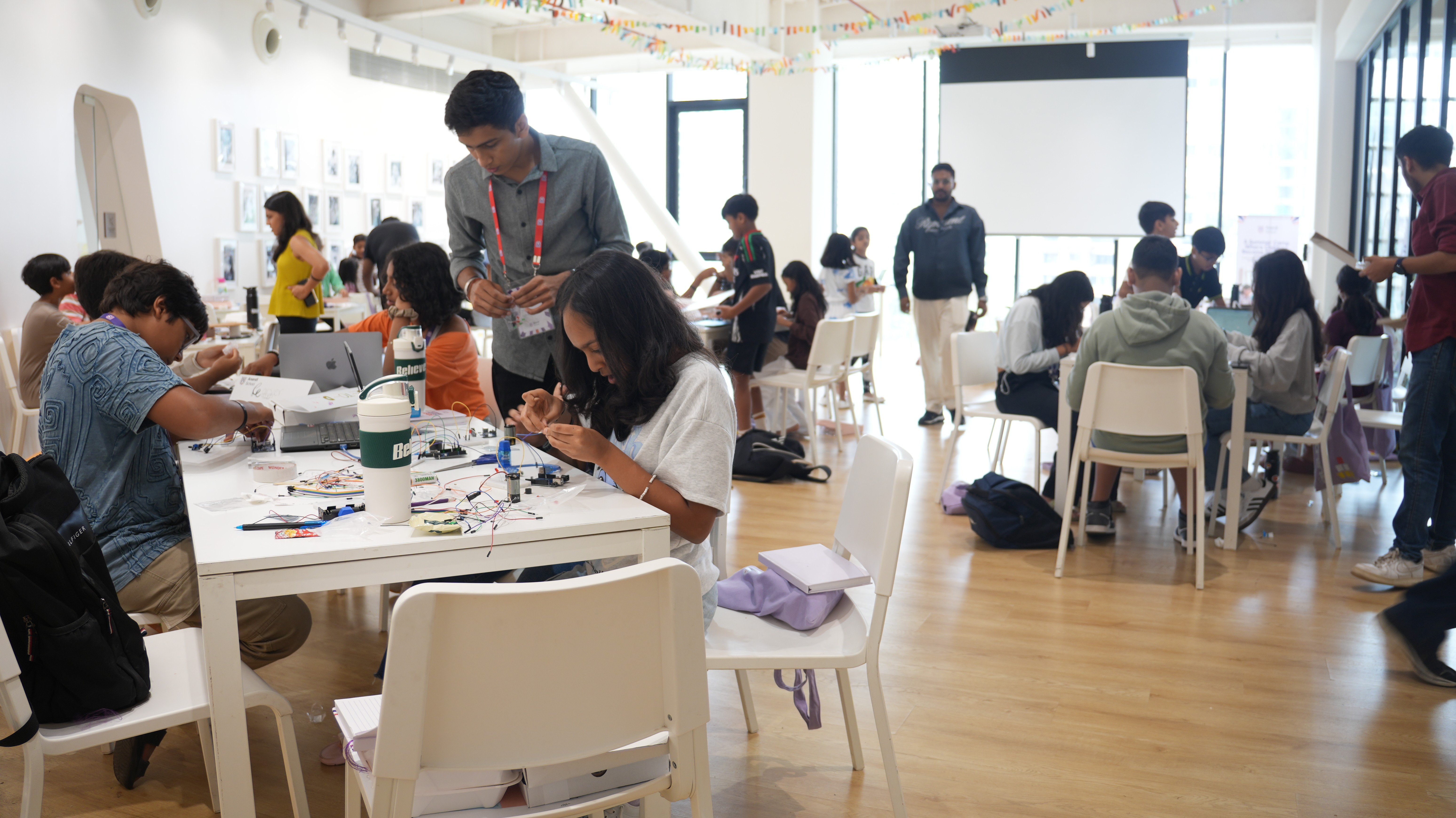
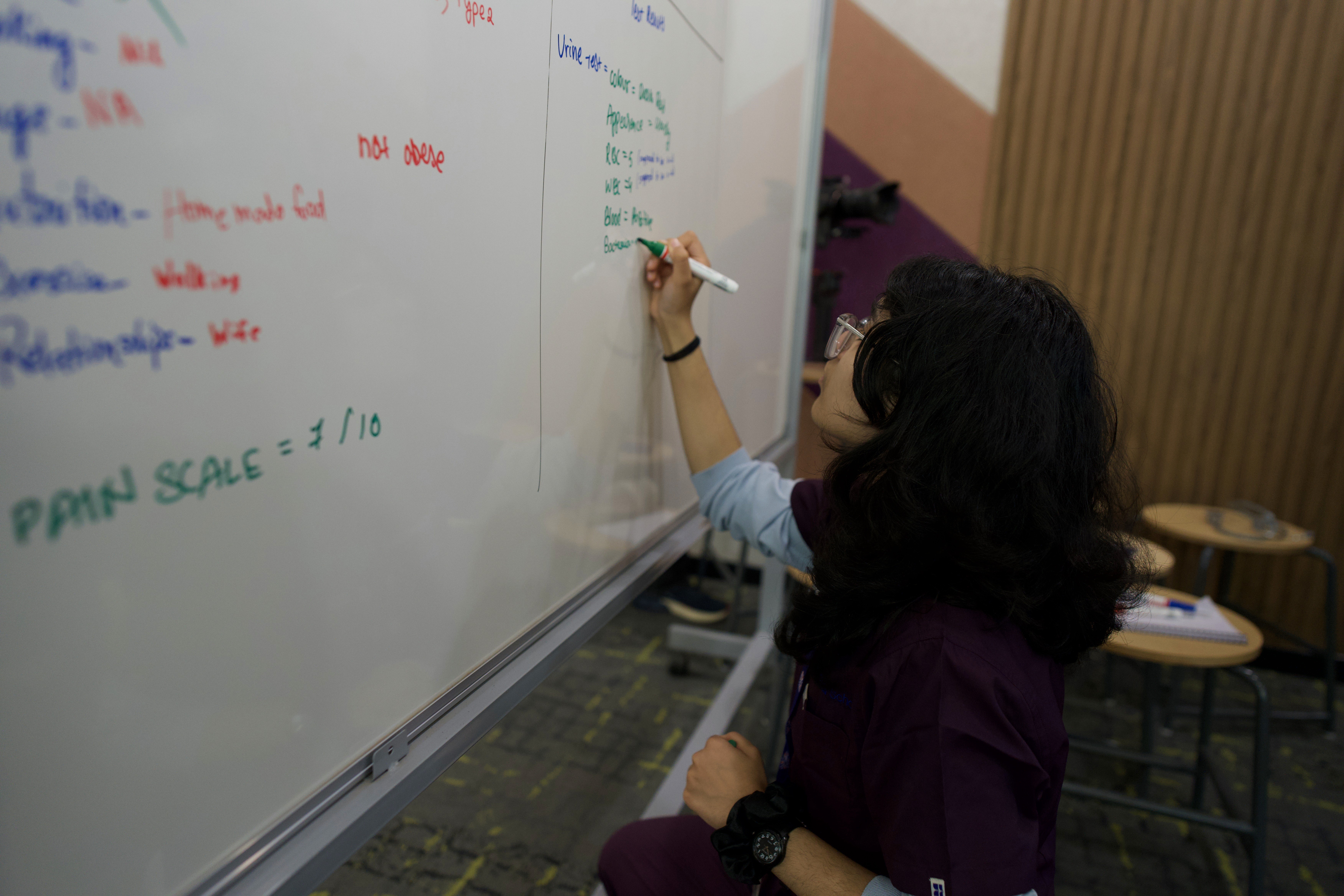
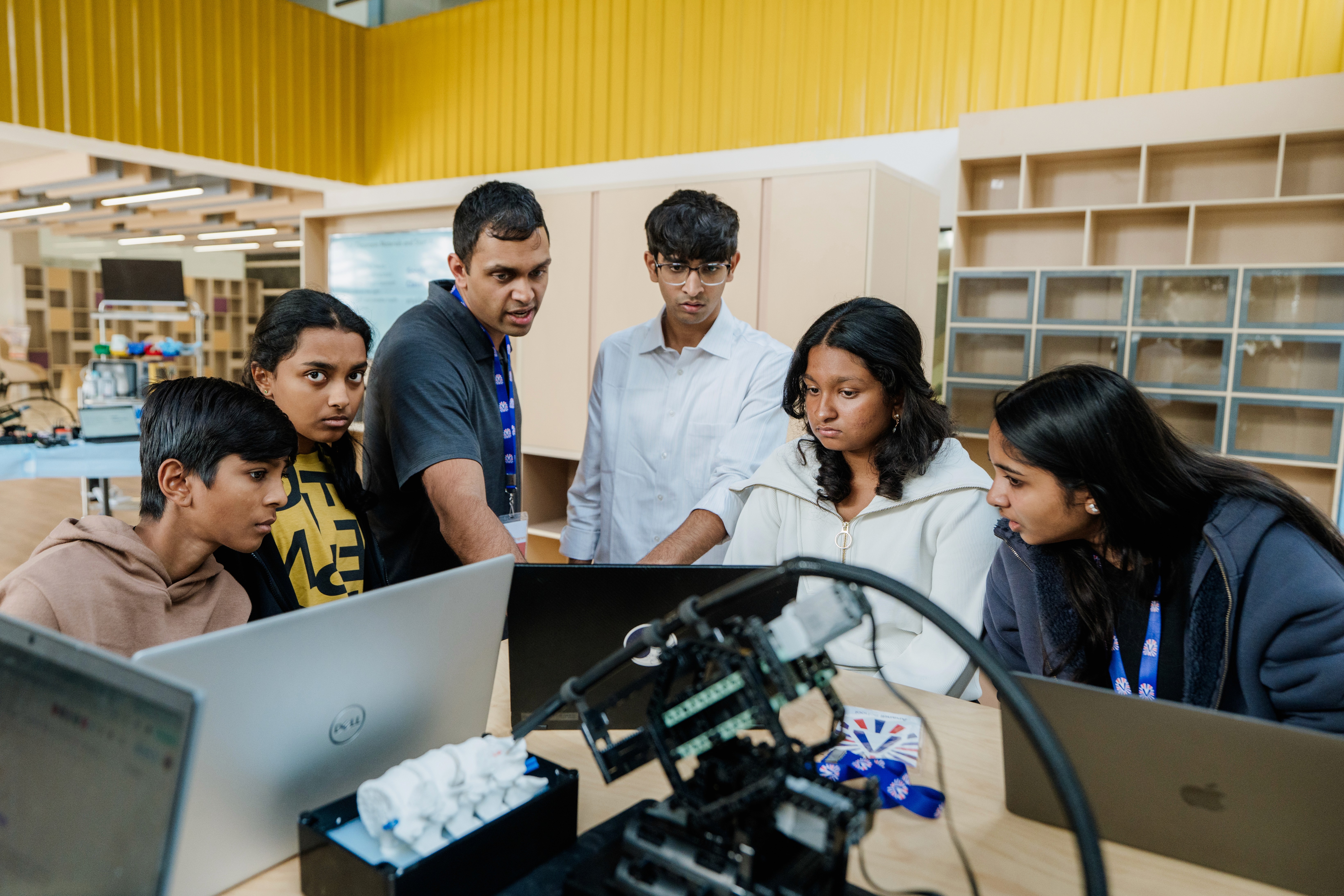
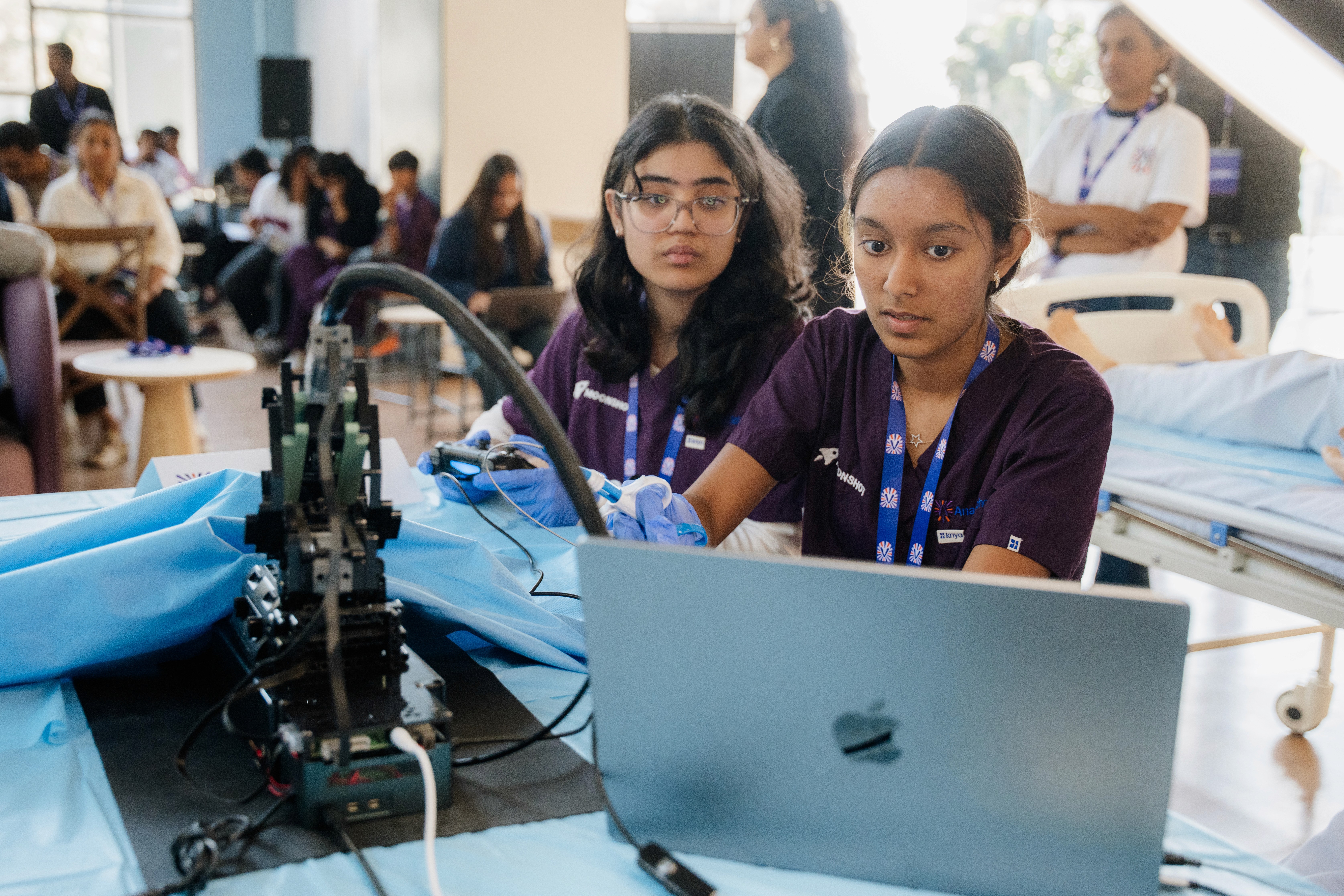
One of the strongest examples of this philosophy is the moonshot program, which gives students direct exposure to advanced robotics and AI from robotic experts. This is a six day immersive experience where students build surgical robots, create computer vision models, and explore how automation supports medical technology. This kind of exposure changes how students see technology. It stops being theoretical and starts becoming something they can build and improve.
Robotics Labs and Hands-On Infrastructure
Hands-on experience can be obtained through dedicated robotics and AI labs on campus. These spaces provide that ideal working environments where students can build, test, and improve their ideas.
Students do not aim for perfect results immediately. They experiment. They observe failures. They refine systems. This process helps them understand how real innovation happens. Facilities like the Makers basecamp give students a nudge to convert their ideas into prototypes, which helps them experience the full cycle from concept to working system.
4+1 Learning Model
At Anandi, learning does not stay stuck in notebooks for too long. Through the 4+1 Program, students spend four days learning concepts in class and one full day using those concepts in projects.
This makes a big difference in how children understand things. For example, if they learn about sensors or logic during the week, they use it the same week while building something. They do not wait for years to see where it is useful.
This approach also helps children discover what they enjoy working on. Some students go deeper into robotics. Some get interested in the use of AI in education. Some start connecting robotics with design or science. Learning becomes something they experience, not something they memorise and forget.
Robotics for Kids: A Decisive Step
In International Curriculum schools in whitefield bangalore, hands-on experience is supported through dedicated robotics and AI labs on campus. These spaces provide that ideal working environments where students can build, test, and improve their ideas.
Students do not aim for perfect results immediately. They experiment. They observe failures. They refine systems. This process helps them understand how real innovation happens. Facilities like the Makers basecamp give students a nudge to convert their ideas into prototypes, which helps them experience the full cycle from concept to working system.
FAQs
Q1. Why is robotics exposure important during middle school years, specifically?
Ans. Children in their middle school years begin to think more independently. They become curious about what is happening behind the scenes, be it any concept. Robotics is a method for children to explore this curiosity in a practical sense. After building a robot and seeing how the coded instructions control its movement, children start understanding logic and cause and effect.
Q2. How does robotics education support interdisciplinary learning beyond technology?
Ans. Robotics connects multiple subjects in one activity. Children use science to understand sensors, math to calculate movement, coding to control behavior, and design to make systems functional. This interdisciplinary exposure helps children understand how different fields work together in real world problem solving.
Q3. How does early exposure to robotics influence a child’s ability to work with AI and automation later in life?
Ans. Children who learn robotics early become comfortable interacting with automated systems. They understand how machines sense, process, and respond to information. This familiarity makes it easier for them to learn advanced technologies like AI, robotics engineering, medical technology, and automation driven industries later.
Q4. What makes robotics-integrated school programs more effective than traditional ones?
Ans. When robotics is part of the school day, children spend more time with it. They build something, see what went wrong, fix it, and try again. And with this regular practice, robotics starts becoming a normal learning experience.