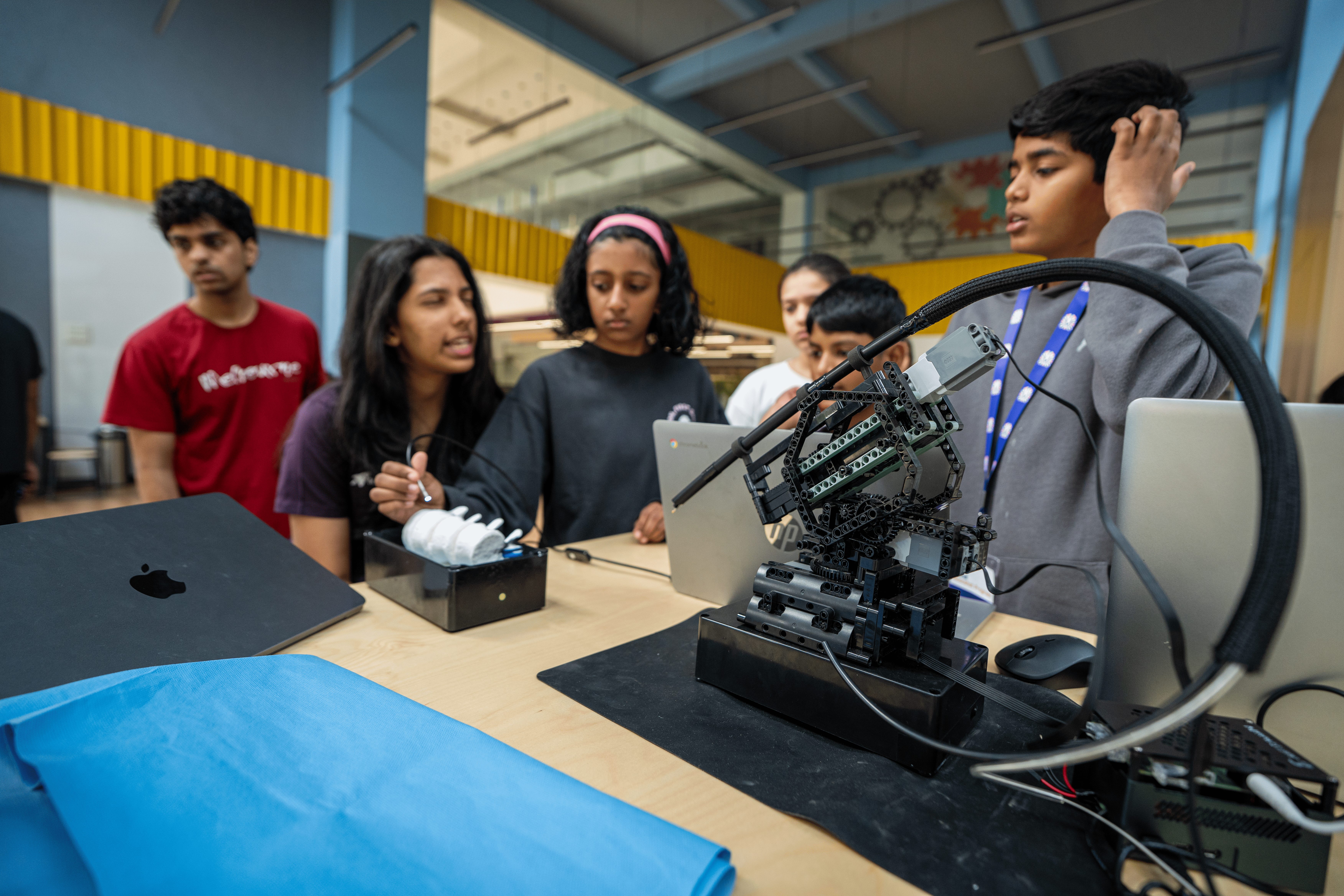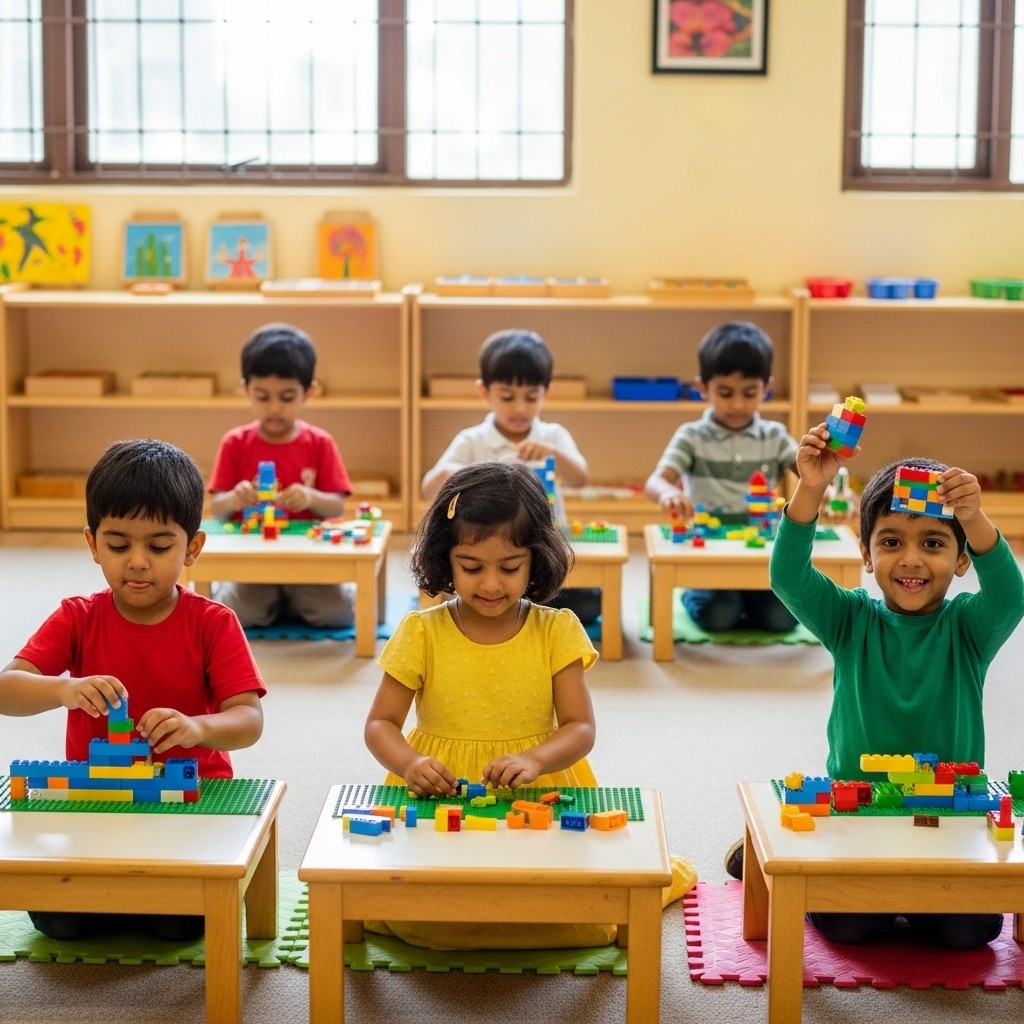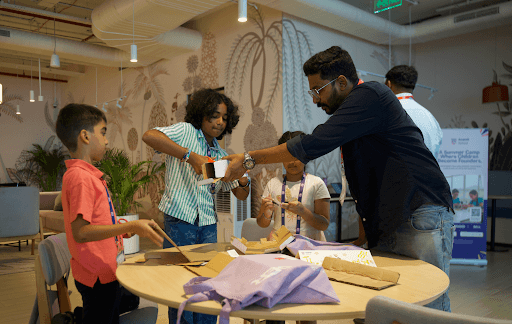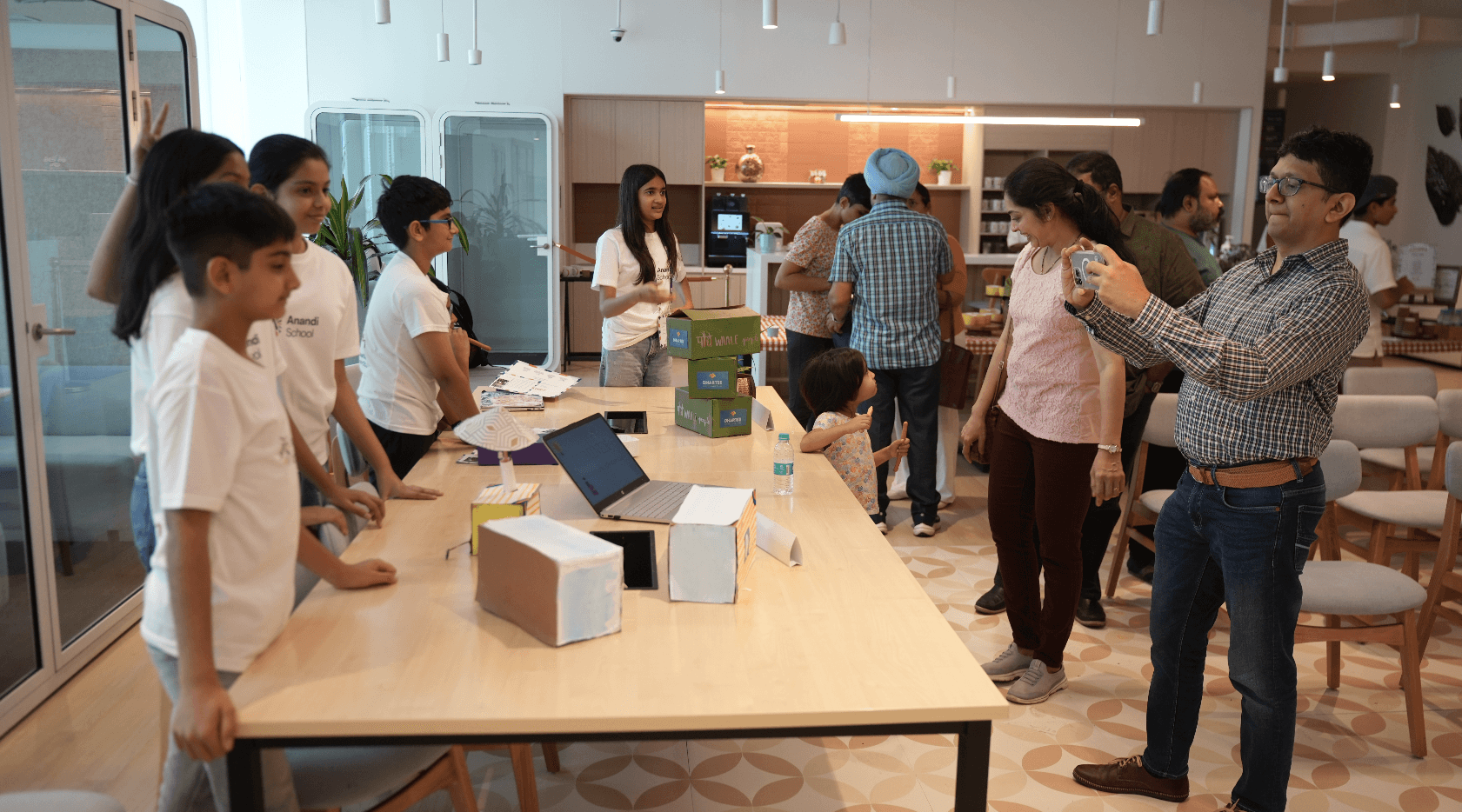
The job market is changing faster than textbooks can. Technology helps classrooms stay updated, improve understanding, and prepare students for digital systems they will actually work with.
March 3, 2026
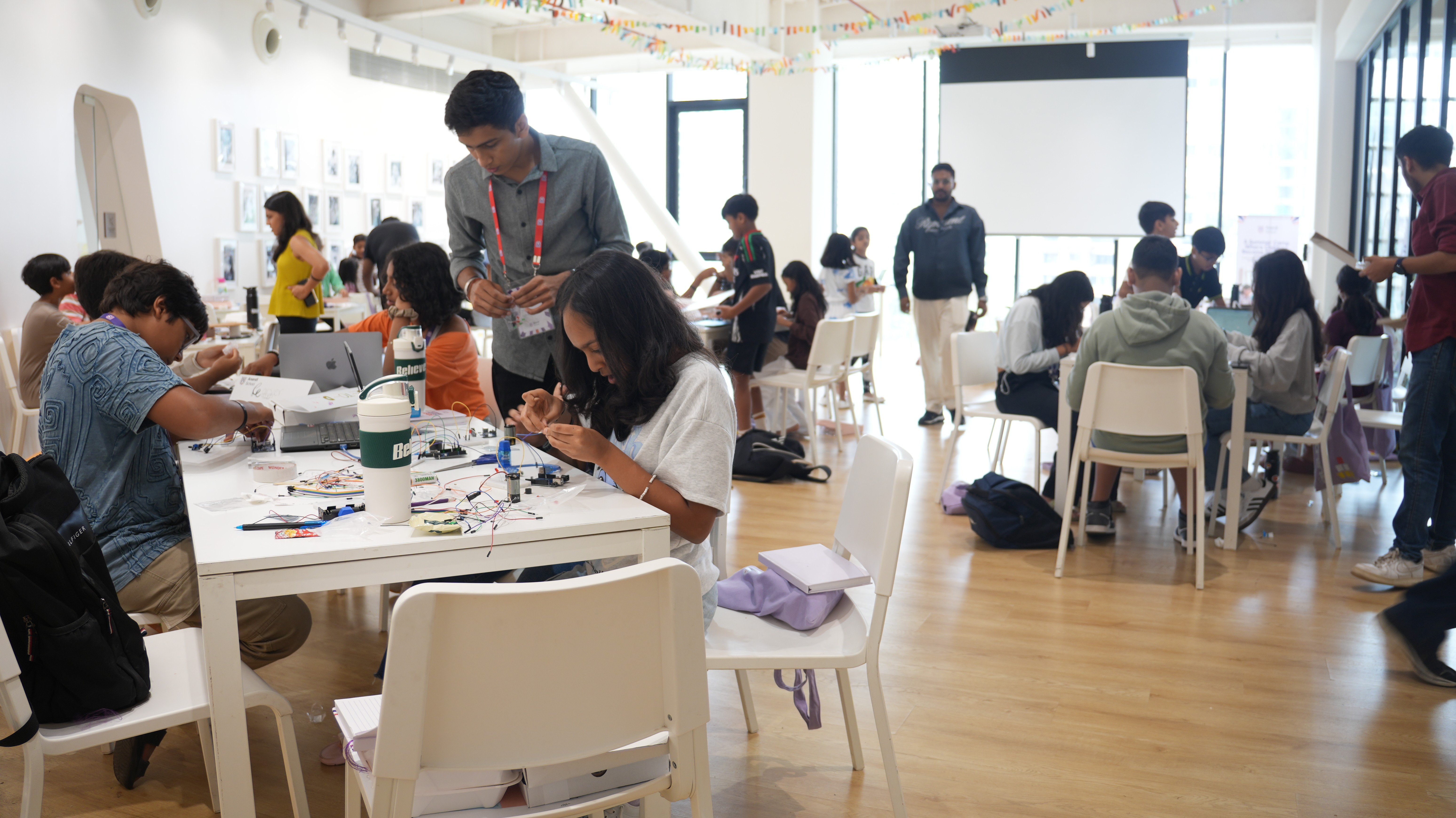
Role of Technology in Education
Generations until now, be it millennials or Gen Z, grew up preparing for predictable careers. But now that certainty will cease to exist. As per the recent claims made by the World Economic Forum, 65% of current primary students, the second half of the Gen Z generation and Gen Alpha, will work in entirely new job categories.
Traditional curricula were designed for a world where career paths stayed stable for decades. The pace at which expected skill sets are changing in the current job market makes it difficult for fixed syllabi to remain relevant for long.
This is why technology integration in education is like a need of the hour, an adaptive move which will change the learning curve for students of the next generation. From a parent’s point of view, school now includes preparing children for environments where most work, communication, and problem-solving happen through digital platforms.
What Is Technology Integration in Education?
Something changed when computers stopped being a separate lab period. They moved into everyday lessons. Part explanation, part practice, part checking. And this was done to improve how subjects are taught and how students understand them.
In an International Curriculum school in India, technological integrations are supposed to support the teaching process with the teacher still being the controller of how the wisdom is being imparted.
The level of integration increases step by step. This is explained through the SAMR model:
Substitution: Replacing a basic tool, such as typing notes instead of writing
Augmentation: Improvising the task completion, such as instant scoring in online tests
Modification: Changing the way a task is done, such as shared group work online
Redefinition: Allows implementing completely new learning activities, such as virtual labs
This process helps improve teaching effectiveness, student participation, and overall learning quality.
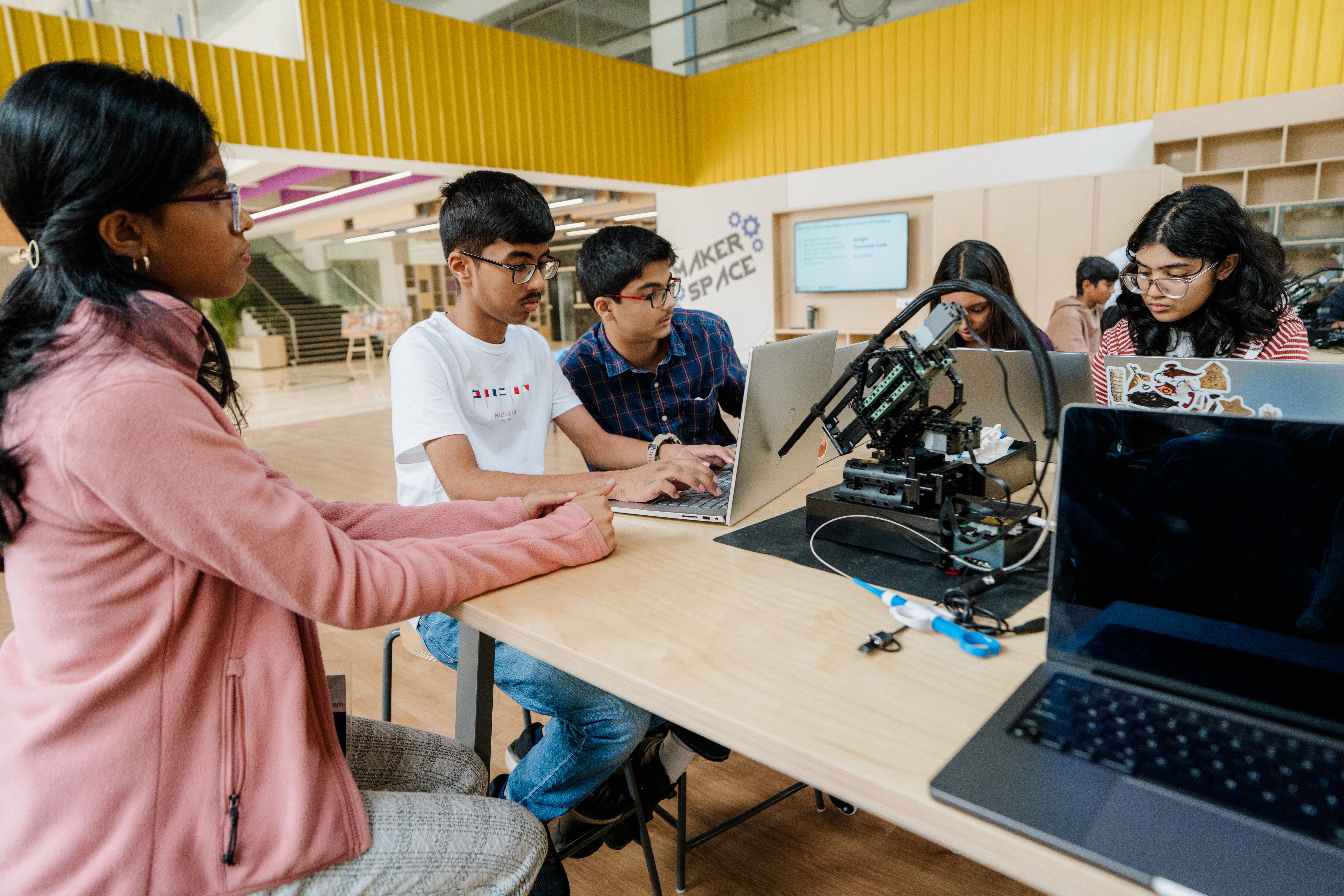
Importance of Technology in Education Today
Classrooms were originally built for smaller groups, slower information cycles, and predictable career paths. That reality has shifted. More students. More subjects. More updates to what needs to be taught. Learning no longer ends with school graduation either. It keeps going. Traditional systems were never designed to carry this kind of load alone.
Technology entered education because something had to help manage this pressure. Schools needed a way to continue lessons beyond fixed hours, organise material properly, and keep teaching consistent across larger student groups. It became the working layer that helps education systems function without slowing down when scale increases or information changes.
Expanding Access and Democratizing Education
Geography used to decide opportunities. That link has weakened. A student can now attend the same lecture even if they are located in a small town and practise the same problems as someone in a major city. Not because the school building changed, but because access did.
Recorded lessons help when something is missed. Online material fills gaps where local resources fall short. Digital libraries and open courses allow students to go beyond what their institution alone can offer. This has quietly reduced dependence on physical location.
Improving Quality and Efficiency of Teaching
Teaching used to depend heavily on timing. If a student missed the explanation or lost track midway, the chance to catch it properly did not always come back. Technology reduced that dependency on one-time delivery.
It also changed how teachers observe learning while it is happening. Instead of waiting for notebooks to be checked or exams to be conducted, teachers can now see responses as students attempt the work. Mistakes appear earlier. Confusion becomes easier to spot and address the problem while the topic is still fresh.
Supporting Personalized and Learner-Centred Education
No two students close a chapter with the same level of clarity. Some need repetition. Others are ready to move forward sooner. Technology created a way to handle both without forcing everyone into the same pace.
Students who feel unsure can spend more time working through similar problems. Those who are comfortable can move ahead without waiting. This reduces the quiet build-up of confusion that often appears later.
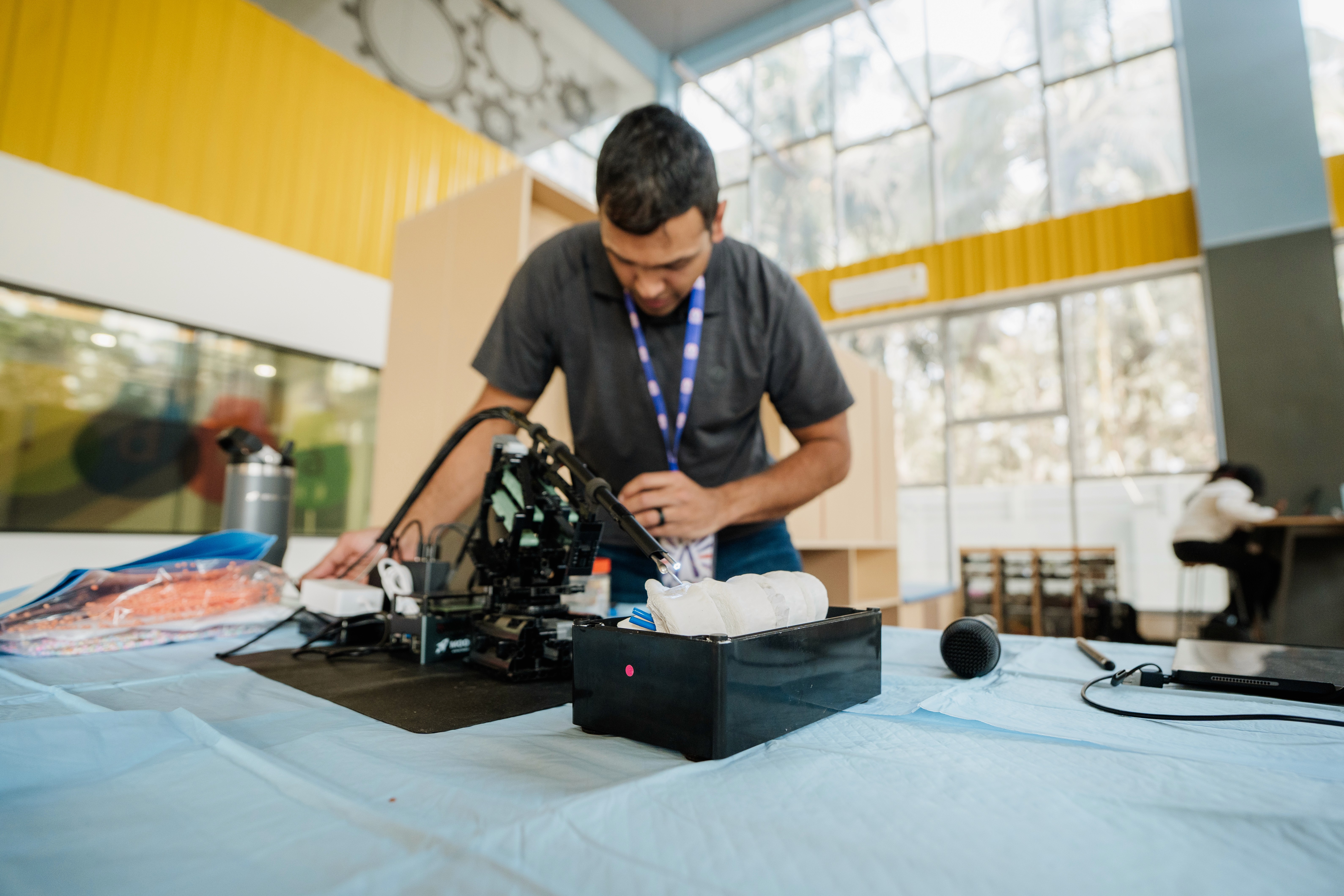
Preparing Students for a Digital World
Any form of education must prepare students to survive in environments where information, communication, and work processes are entirely dependent on the tech stack involved.
The role of technology in education here is to ensure students get a space to develop the skills required to operate, evaluate, and adapt to the digital systems in focus. It helps students to groom themselves during their academic years instead of learning them later under professional pressure.
Building Digital Literacy and Technology Competence
Digital systems are now part of how students study, submit work, and stay involved with academic tasks. Regular interaction with these platforms does more than help complete immediate requirements.
Information judgment improves: Students stop accepting the first result they see and begin comparing sources, checking relevance, and selecting what actually answers the problem.
Digital communication becomes structured: When students work on shared documents or discussion platforms, they learn to express ideas clearly because others depend on their input.
Technology hesitation reduces: Regular platform use removes fear and confusion. Students start exploring features on their own instead of waiting for help.
This builds digital confidence and independent working behaviour.
Developing Higher-Order Cognitive Skills
Digital assignments require students to analyse information, make decisions, and organise their responses during the task. They cannot rely only on memorised answers. This changes the kind of mental effort their work begins to demand. And with such exposure, students are influenced to:
Begin testing instead of memorising: In simulations or applied tasks, they try different inputs and learn from outcomes, which builds analytical and divergent thinking.
Take ownership of problem-solving: When students create presentations, models, or solutions, they must decide how to organise and explain information themselves.
Improve risk-taking: Digital creation tools allow students to experiment, adjust, and improve their work without fear of permanent mistakes.
This shifts the student mindset from answer-seeking to solution-building.
Preparing Students for Careers and Lifelong Learning
Technology conditions students for real work behaviour:
Students become comfortable working inside systems: Submitting work, responding to feedback, and managing tasks digitally becomes routine.
Adaptation speed improves: When students face new tools, they explore and learn them instead of avoiding them.
Learning independence develops: Students start using external resources to solve problems without waiting for formal teaching.
This prepares them for environments where learning never stops.
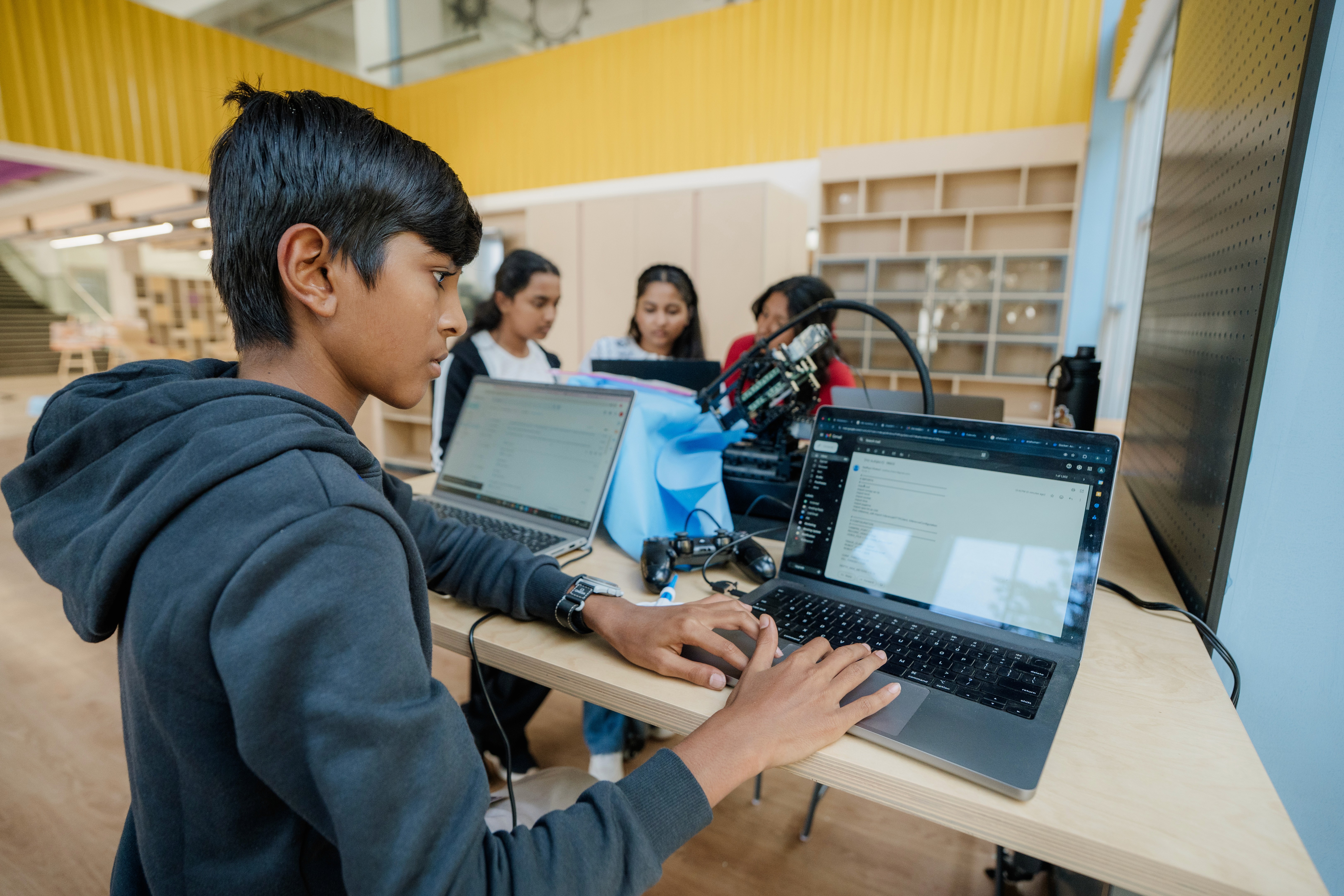
How Technology Integration Improves Teaching and Learning Processes
Before technology was used regularly, teaching followed a fixed sequence. The teacher explained the chapter in class while students listened, took notes, and practised later at home.
Now the part where how much a student has grasped the material was something a teacher can only figure via homework assignments, unit tests, or exams. However by that time, many students had already built incorrect understanding around the covered topic.
Here is how institutes are taking advantage of technology integration in education to solve these operational problems:
Classroom Tools and Digital Platforms
Lesson control improved when teachers started using classroom platforms as the base of instruction. Instead of depending on notebooks and verbal reminders, teachers now place lesson material, instructions, and activities inside platforms where students access them directly.
This usually includes:
sharing slides and reading material, and assigning homework through platforms like Google Classroom
conducting remote classes through Zoom or Microsoft Teams when physical lectures are not possible
organising lecture schedules, monitoring assignment deadlines, and submitting work in one learning management system
This allows teaching to continue without depending entirely on physical classroom interaction.
Gamification and Simulation Methods
Concept verification improved when teachers inserted response-based activities during teaching. Gamification platforms and simulation tools allow teachers to observe how students are interpreting the lesson while the lesson is still in progress.
In classroom practice, teachers commonly:
run Kahoot or Quizizz after explanation to check immediate understanding
use simulation tools when teaching processes that require observation, such as scientific reactions or system behaviour
conduct virtual lab sessions when physical lab access is limited
repeat simulated activities so students can observe outcomes multiple times
This ensures practice happens as part of teaching, not only after teaching.
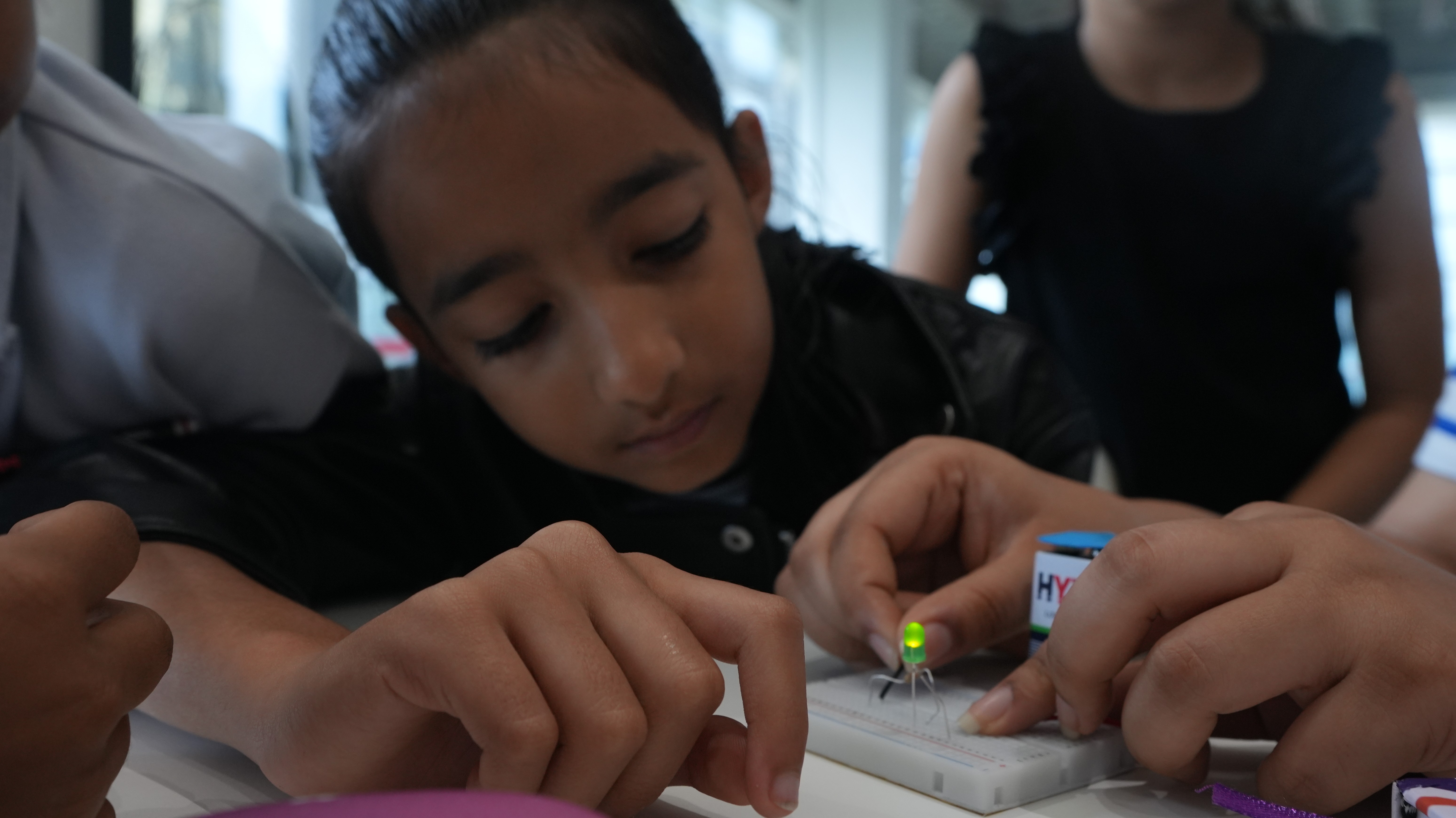
Challenges in Technology Integration in Education
Classrooms need proper internet, working devices, and teachers who are comfortable using these tools. When any of these are missing, teaching can slow down instead of improving.
Let’s list down the nuances behind these barriers and reiterate how technology supports that gap instead of disrupting it.
Challenge Area | Nuances Behind the Barrier |
Infrastructure and Digital Divide | • inconsistent internet connectivity • limited personal device ownership • dependence on shared smartphones • institutional budget constraints |
Teacher Training and Technology Adoption | • difficulty aligning tools with lesson pacing • increased preparation during early stages • resistance due to unfamiliarity |
Overdependence and Distraction Risks | • access to non-academic applications • reliance on instant search results • passive content consumption habits |
Health, Social, and Psychological Concerns | • screen fatigue and eye strain • reduced peer interaction • lower physical activity levels • mental fatigue from prolonged use |
Future of Technology Integration in Education
Not long ago, whenever a student needed extra help in school, the likelihood of their doubts getting addressed was dependent on luck.
Students used to stay back after class and have the teacher explain a few concepts again. Sometimes it helped. And there would be times where the student nodded without really understanding, just to keep moving with everyone else.
In a classroom full of students, it was not always possible to see every gap at the right time. However, AI-based learning is starting to change this situation. It does not replace the teacher. It sits alongside the student. Teachers can now provide data-driven support and step in with the right support.
Some students understand the concept but struggle to write or read it in the required language. Speech-to-text tools help here. The student can speak the answer and see it converted into written form. Translation features also help students first understand instructions in a familiar language before attempting the actual work. This reduces the delay caused by language difficulty. The teacher still checks and guides the learning process.
In International Curriculum schools in whitefield bangalore, institutes are starting to use AR and VR during lessons where a board explanation is not enough. A student can look at the structure of the human heart in 3D. A history lesson can show how a place actually looked. With the same assistance, teachers can focus more on explaining rather than asking students to memorise shapes and definitions.
Conclusion
A quiz result can show an error. A simulation can show a process. However, it takes a teacher to explain the mistake from a personal observation over the student, connect it to the concept, and help them correct their thinking. That part has not changed.
Just having smart boards, apps, or platforms does not necessarily enable students to effectively learn maths or physics on its own. Teachers need to fit these tools into their normal teaching flow. The lesson still comes first.
Three things decide whether technology actually helps education:
The teaching method must include it properly
Schools must have reliable systems and access
Teachers must be trained and comfortable using the integrated technology.
When these are aligned in place, technological integration becomes a supportive anchor that can help teachers guide students more effectively.
FAQs
Q1. What are the risks of technology in education?
Ans. Students can lose discipline when devices are used without rules. Quick access to information may reduce independent thinking. Some schools and learners also lack proper infrastructure. Without guidance, it often leads to completion of work without proper comprehension.
Q2. Why is technology important in education today?
Ans. Academic communication, submissions, and resources now exist mostly in digital form. Students are expected to work through these systems regularly. It also helps institutions continue teaching during disruptions and handle larger numbers without slowing academic processes.
Q3. What is the future of technology in education?
Ans. Learning systems will increasingly analyse student performance and highlight specific weaknesses. Support will become more continuous rather than limited to classroom hours. Human instruction will remain essential, but digital systems will assist in tracking and academic coordination.
Q4. What are the best classroom technology tools for teachers?
Many teachers use Google Classroom to distribute and collect work. Zoom helps conduct remote sessions. Kahoot supports quick testing. Subject-specific software is also used where students can attempt exercises and teachers can review their performance.