
The Ivy League represents more than elite universities, it reflects years of intellectual depth, curiosity, resilience, and purposeful learning. This guide breaks down what the Ivy League truly is, its eight member schools, admissions philosophy, and what students really need to build over time to reach such highly selective academic pathways.
Jan 24 2026
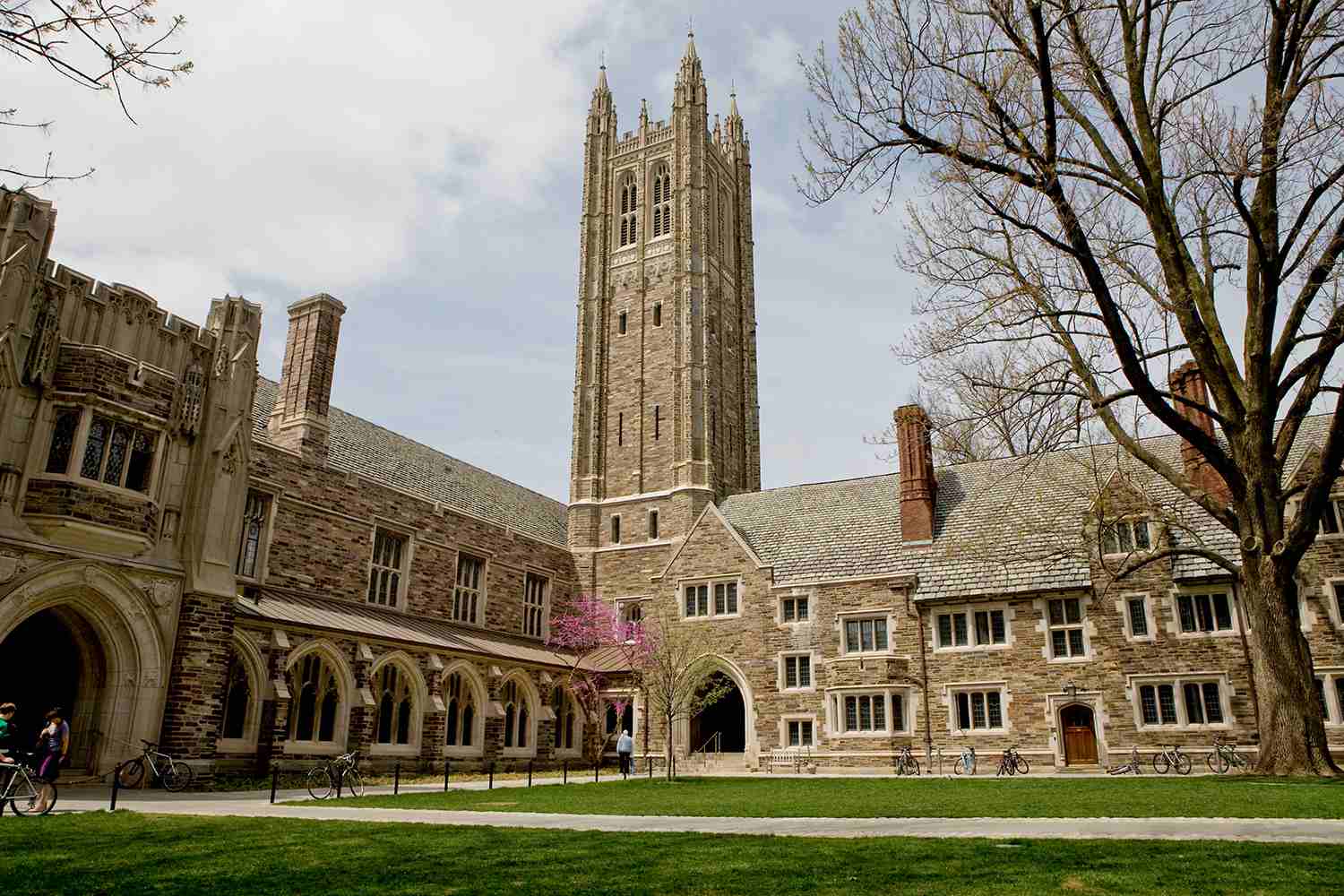
The Ivy League is much talked about as a place of destination. In an actual sense, it is a trend of academic profundity, intellectual interest, rigorous thought and personal development over a long period. To the families and the students, the Ivy League has become the epitome of an educational dream. However, what these institutions are really about is not perfection, prestige or privilege per se, but a culture of seriousness of learning, inquiry and contribution.
The insight into what the Ivy League really is and what those universities seek in students redefines preparation altogether. It also changes the emphasis of application strategic planning on things as they happen and puts it on long-term growth where intellectual habits, curiosity, resilience and purpose are developed over time, not months.
Knowing the Ivy League Universities.
When individuals refer to the Ivy League, they tend to refer to an elite education, international recognition, and scholarly perfection. The Ivy League is, however, neither a ranking model, nor a curriculum, nor a sure ticket to success. It is a particular set of institutions that have a common history, standards and culture.
This is a critical difference which should be understood. To answer what is the Ivy League at its core, it’s a process that cannot and will not be practised in a vacuum but will be a culmination of many years of worthwhile education, intellectual growth, and personal guidance.
What is Ivy League?
The Ivy League is a cluster of eight private American universities which were initially established as an athletic conference. With time, these universities were recognised for academic rigour, research excellence, leadership development, and intellectual culture all over the world.
Nowadays, the Ivy League is often used as a short name to denote those institutions that are the most selective, academically serious and long-lasting influential in any discipline. Many wonder what is Ivy League excellence, and it stems from this rich legacy.
Background and History.
The Ivy League, as an official athletic conference, started in the year 1954; however, the member institutions were established way back in the 1600s and 1700s. Their extensive histories enabled them to establish excellent academic cultures, research cultures, alumni cultures, and intellectual systems.
These universities developed their identity over the centuries based on their scholarship, inquiry, leadership, and contribution to society, which is why they are now identified with academic excellence way beyond sports.
Why are they called Ivy League Schools?
It is a well-known (but inaccurate) opinion that the naming of the Ivy League was inspired by the usage of ivy on the aged campuses of these older schools. Ivy turned into a sign of tradition, permanence and legacy.
The term changed over time to denote not only architecture, but a common academic culture based upon intellectual seriousness, status, and institutional tradition.
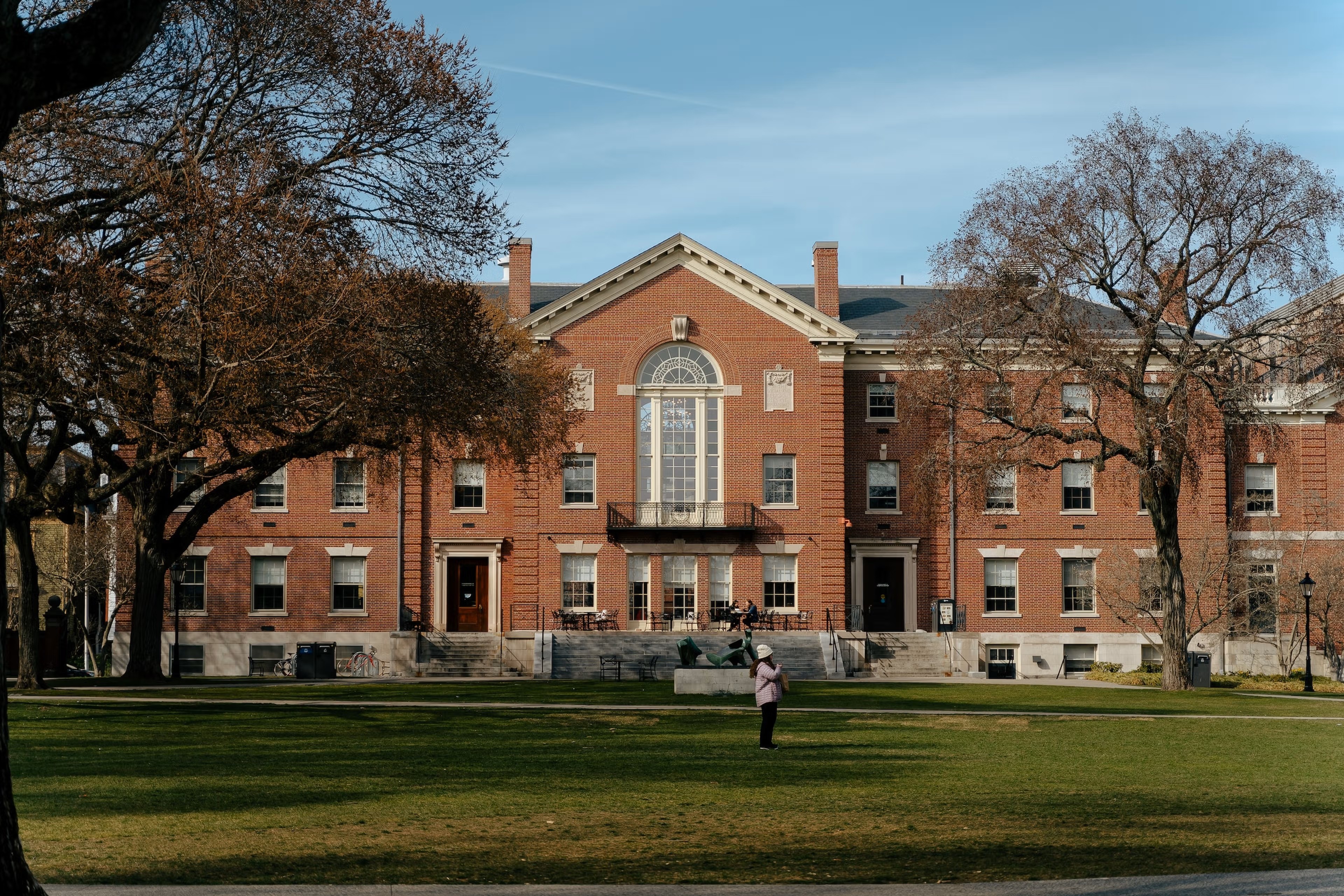
Complete List of Ivy League Schools
The Ivy League consists of the following eight universities:
Harvard University
Yale University
Princeton University
Columbia University
University of Pennsylvania
Brown University
Dartmouth College
Cornell University
The 8 Member Institutions
Each Ivy League university has a distinct academic personality and culture:
Harvard University: Known for leadership, research, interdisciplinary excellence, and global impact
Yale University: Renowned for liberal arts education, humanities, law, and arts
Princeton University: Focused on undergraduate education, research, and theoretical depth
Columbia University: Strong urban integration, global affairs, journalism, and research
University of Pennsylvania: Interdisciplinary learning, business, innovation, and applied sciences
Brown University: Open curriculum, intellectual independence, and student-driven learning
Dartmouth College: Liberal arts depth, close mentorship culture, and academic community
Cornell University: Broad academic diversity, research, engineering, and applied sciences
Geographic Distribution Across USA
All Ivy League universities are located in the northeastern United States. This geographic concentration has shaped their academic culture, access to research hubs, intellectual communities, and global connectivity.
Their proximity to major academic, political, and innovation centres creates ecosystems where learning extends far beyond the classroom, similar to how families prioritise international curriculum schools in whitefield bangalore for access to holistic learning environments.
Admission Requirements Ivy League.
The Ivy League applications are not checked up. No formula, score, and profile can guarantee admission. Rather, these universities are holistic in evaluating the students on an academic, intellectual, social, and personal level.
They seek sustainable trends, rather than one-time feats.
What Makes You Eligible?
At the minimum level, students should demonstrate good academic results, tough course work and intellectual preparation. Nevertheless, excellence is the difference between applicants and their eligibility.
The Scores of Test and Academic Standards.
Competitive students, in general, are characterized by:
Powerful transcripts in problematic curricula.
Stability in the major academic subjects.
Critical thinking and depth of thought.
Good writing standards, analysis and reasoning standards. Never, however, are academics sufficient.
Academic Standards and Test Scores
Academically competitive students typically demonstrate:
Strong transcripts across challenging curricula
Consistent performance in core academic areas
Intellectual rigour and depth of thinking
High standards in writing, analysis, and reasoning
However, academics alone are never sufficient, which is why parents increasingly look beyond grades and evaluate the best international curriculum schools in india that focus on long-term intellectual and personal development.
Beyond Academics: What Admissions Want
Admissions teams look for qualities that reflect intellectual maturity and long-term development:
Depth of academic interest
Evidence of original thinking
Intellectual risk-taking
Sustained commitment
Leadership growth
Purposeful exploration
Personal clarity
Ethical grounding
The Five Things Ivy League Universities Are Seeking.
Depth of Academic Interest
The Ivy League colleges take into consideration students who work on one or two of their areas of interest over a few years. Profundity is better than diffused quality.Example: A student who does not go on any of the numerous unrelated activities, but spends several years studying environmental science by doing coursework, research, fieldwork, and competitions.
Real-World Thinking and Original Work Evidence.
Colleges appreciate the students who put into practice what they learn and generate something new. Examples: A student develops a cheap water filtration system, experiments with it, and refines it, and records the results.
Long-Term Investment and Development.
Engagement over time is more important than the intensity of engagement in the short run. Example: A student who grows and develops a community project over years, cogitating about the development, failures and experience.
Self-Knowledge and Orientation.
Successful applicants explain the reasons why they made their choices and what they learned through these. Example: the student explaining how early robotics made them orient towards the human-centred design and what that has taught them about their strengths.
Readiness to Strain and Compete Significantly.
Universities also appreciate students who explore themselves in challenging conditions and learn through failure.
How to Get Into Ivy League
Ivy League Preparation Timeline
True preparation begins early - in mindset, not applications. Students build intellectual habits, curiosity, resilience, and direction over years.
Application Process Step-by-Step
Academic foundation
Interest development
Project building
Research and exploration
Mentorship
Profile building
Narrative development
Applications
Essays
Interviews
Common Application and Essay Tips
Focus on clarity over impressiveness
Show thinking, not just achievement
Reflect honestly
Avoid manufactured narratives
Prioritise authenticity and insight
How does Anandi help Students to get into Ivy League colleges?

The strategy of the approach created by Anandi is aimed at the way of developing excellence, which occurs stepwise, intentionally, and with purposeful work. Anandi’s methods embody what is Ivy League preparation through sustained depth and growth.
The Field Model
Each term, students construct projects in alignment with their interests to a more real-world challenge. In the long-term, mentor-based projects will enable students to delve into interests, use knowledge in a meaningful way and develop intellectual depth over time.
Early College Preparation
The training starts long before applications, which is why exploring international curriculum schools in bangalore early in a child’s academic journey is vital. Middle years help students develop academic endurance, ambition, and a sense of being comfortable with difficulty, without any sense of immediate or imminent necessity.
Personal Goal Setting and Stretch.
Each student has stretch goals every year, both academic, growth, co-curricular, and external. These guarantee a gradual challenge, consideration and deliberate growth.Even Ivy League schools do not accept flawless students. They accept students clearly and thoroughly.
Anandi is not supposed to pursue the result, but to create a situation in which purposeful learning, direction and long-term excellence are the results of their natural manifestation.
Conclusion
The Ivy League is not a goal, but an embodiment of a process. The adventure is a path of profundity, practice, exploration, strength, and intent.
The students who excel in these schools are not produced towards the end of high school. They are moulded gradually, years of searching, of significant challenge, of intellectual solemnity, of self-development. If you have understood what is Ivy League, you can make a choice intent - building the right foundation early leads to such elite pathways.
FAQs
Q1. Is the Ivy League only about academics?
Ans. No. Academics matter, but depth, thinking, originality, and character matter equally.
Q2. Can students from any background apply?
Ans. Yes. Ivy League universities actively seek diverse backgrounds, perspectives, and experiences.
Q3. Is early preparation necessary?
Ans. Yes. Long-term development matters more than short-term preparation.
Q4. Does Anandi guarantee Ivy League admissions?
Ans. No. Anandi builds foundations for excellence, not outcomes. Outcomes emerge from development.