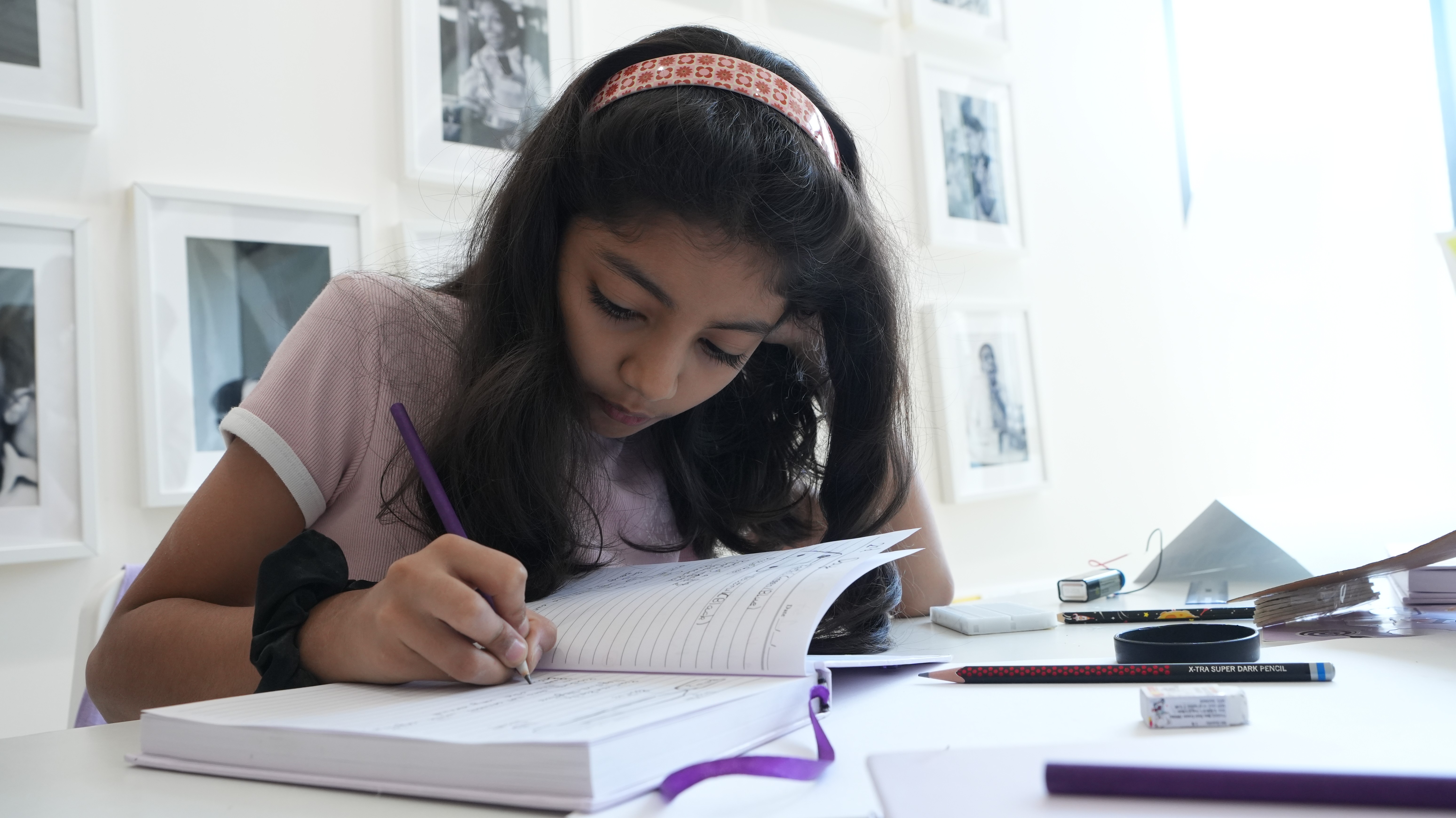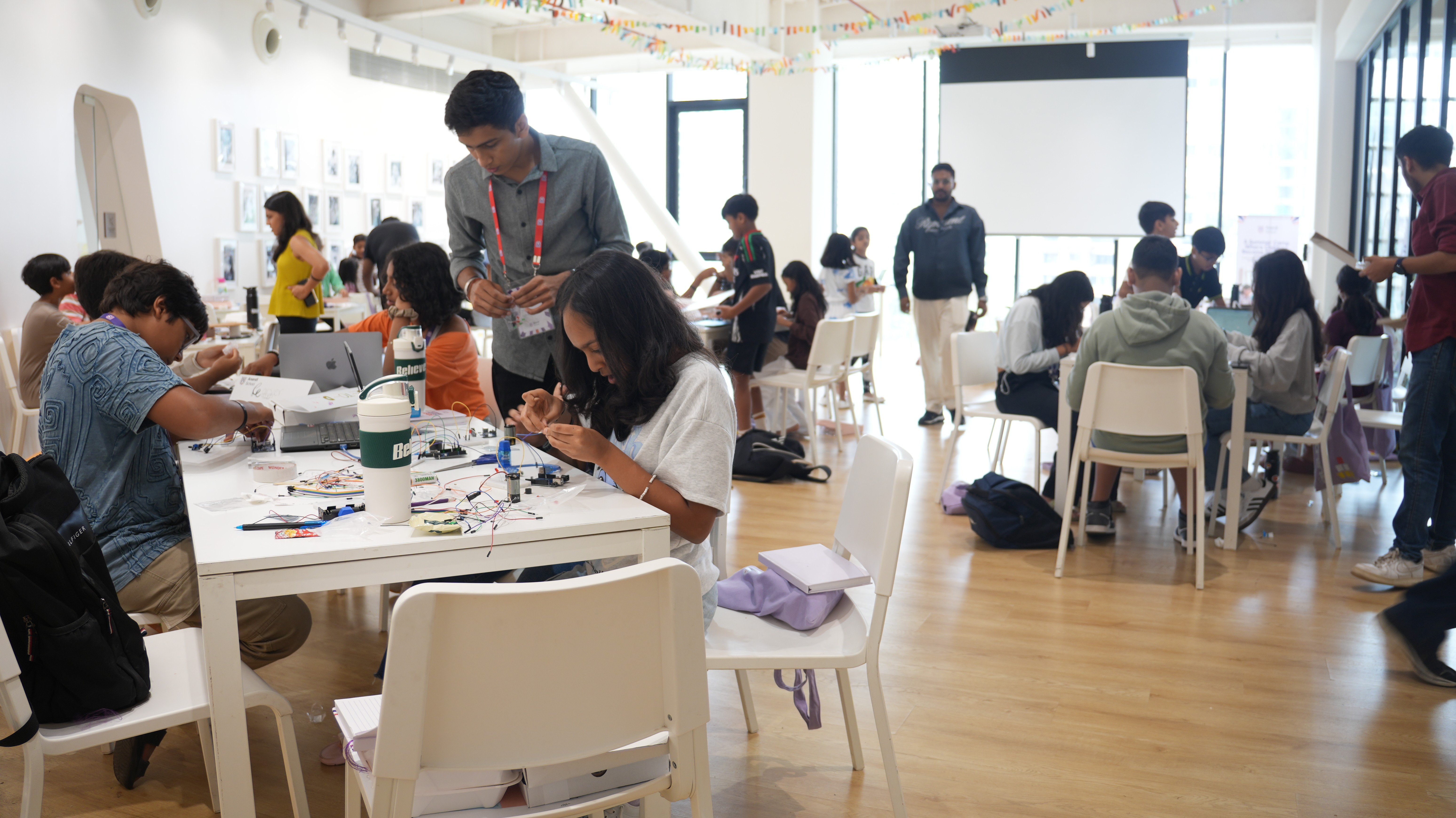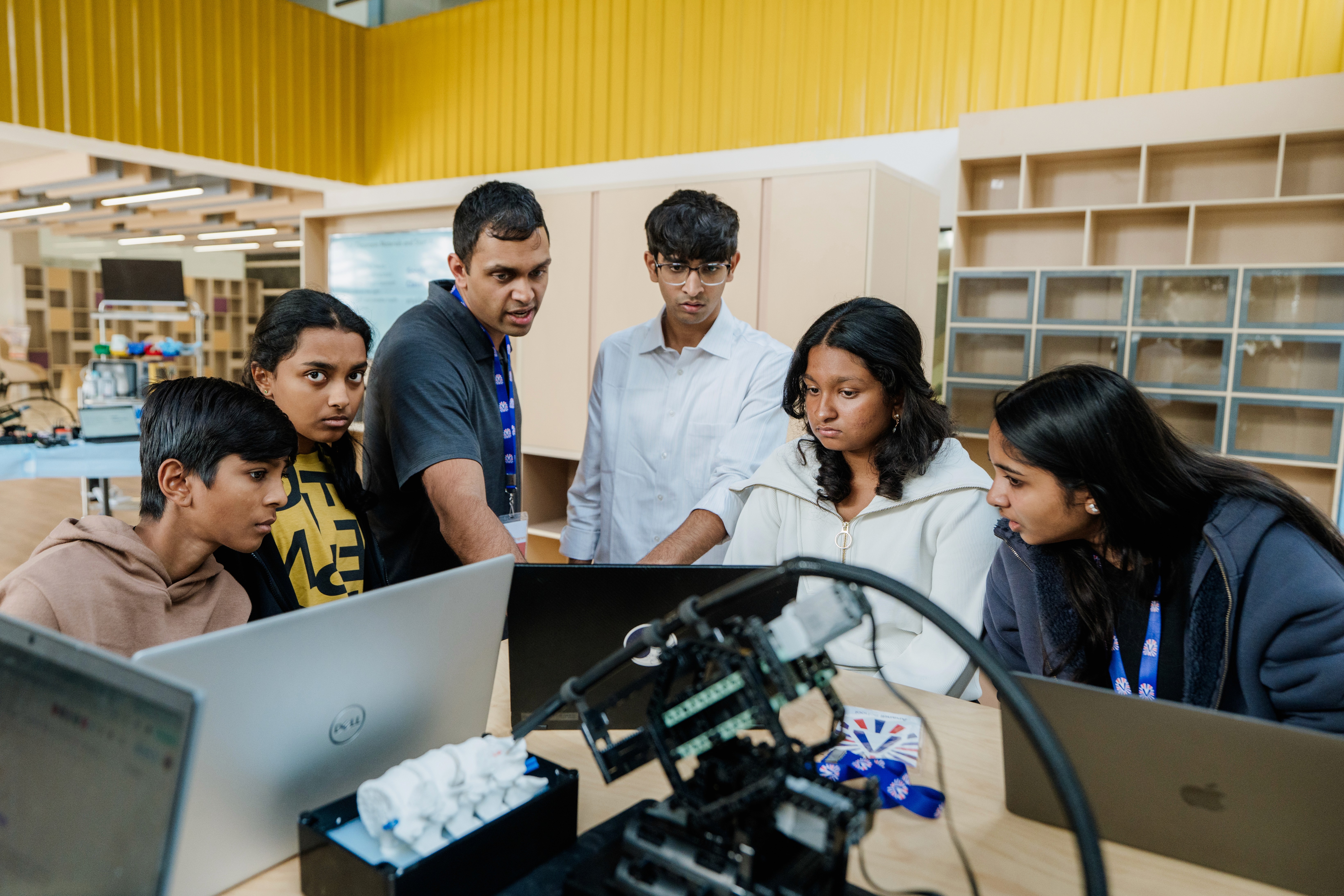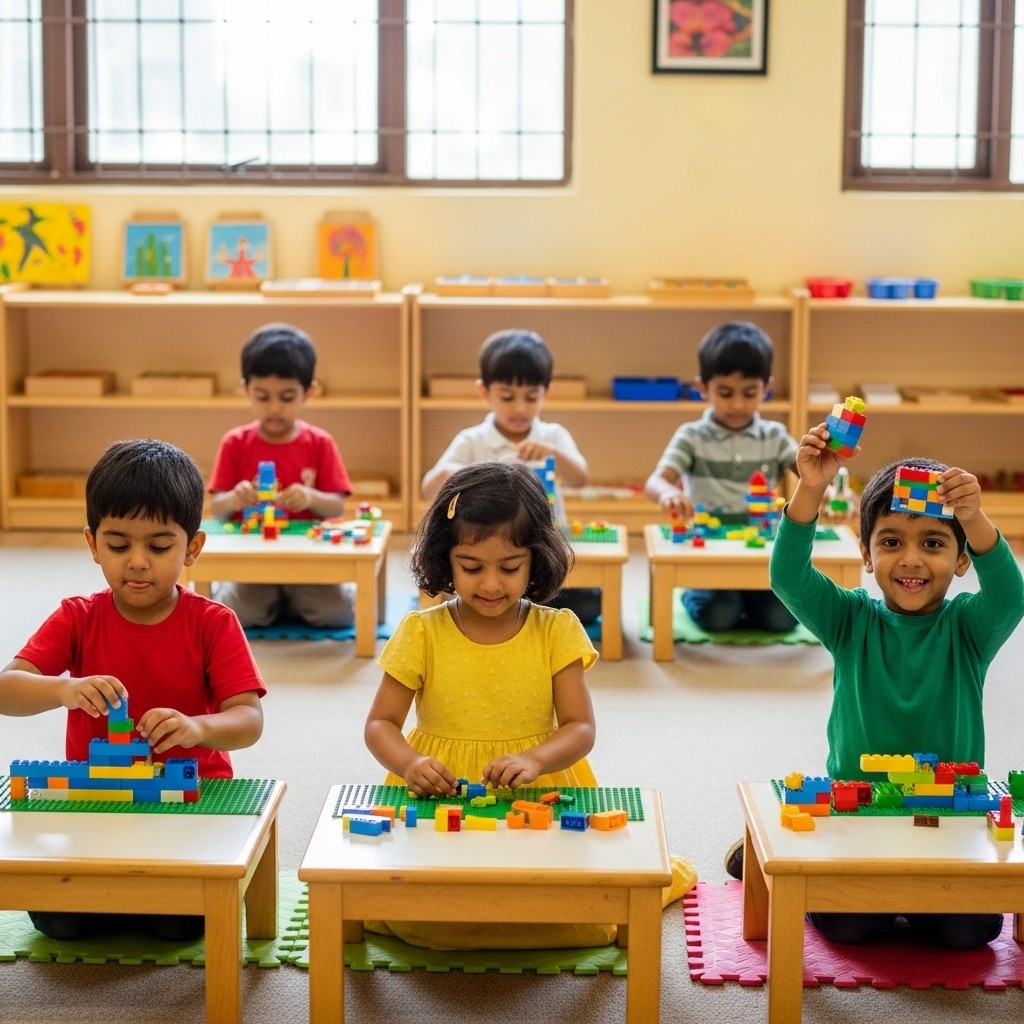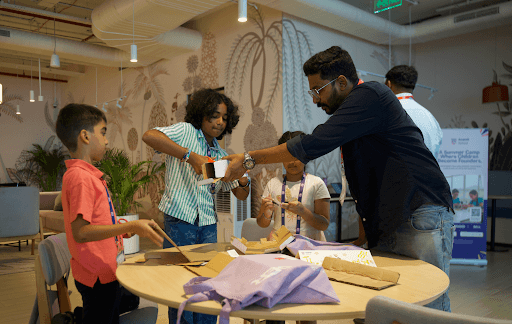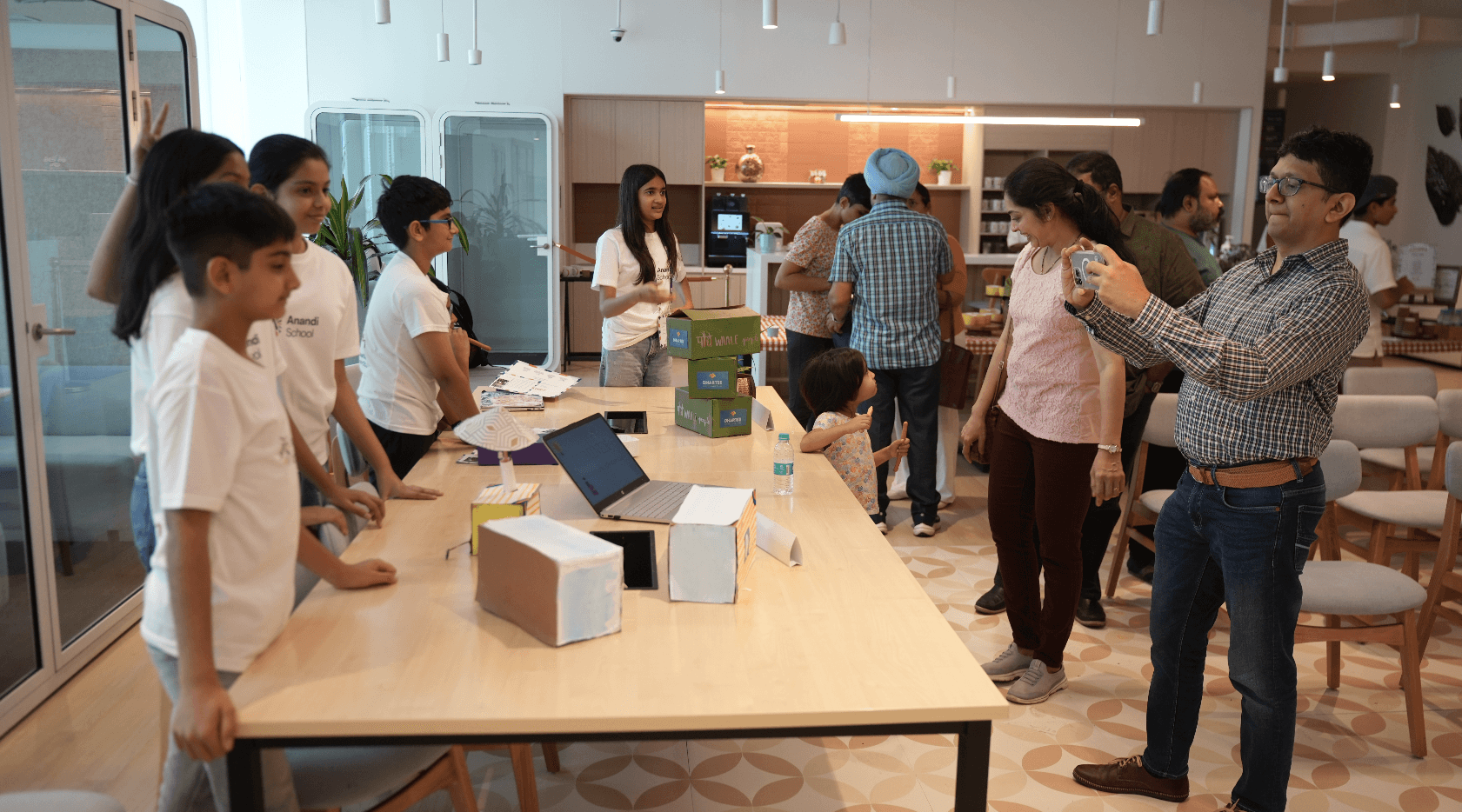
Independent thinkers do not wait for instructions. They analyse situations, form conclusions, and take responsibility for the decisions they make.
Feb 23, 2026
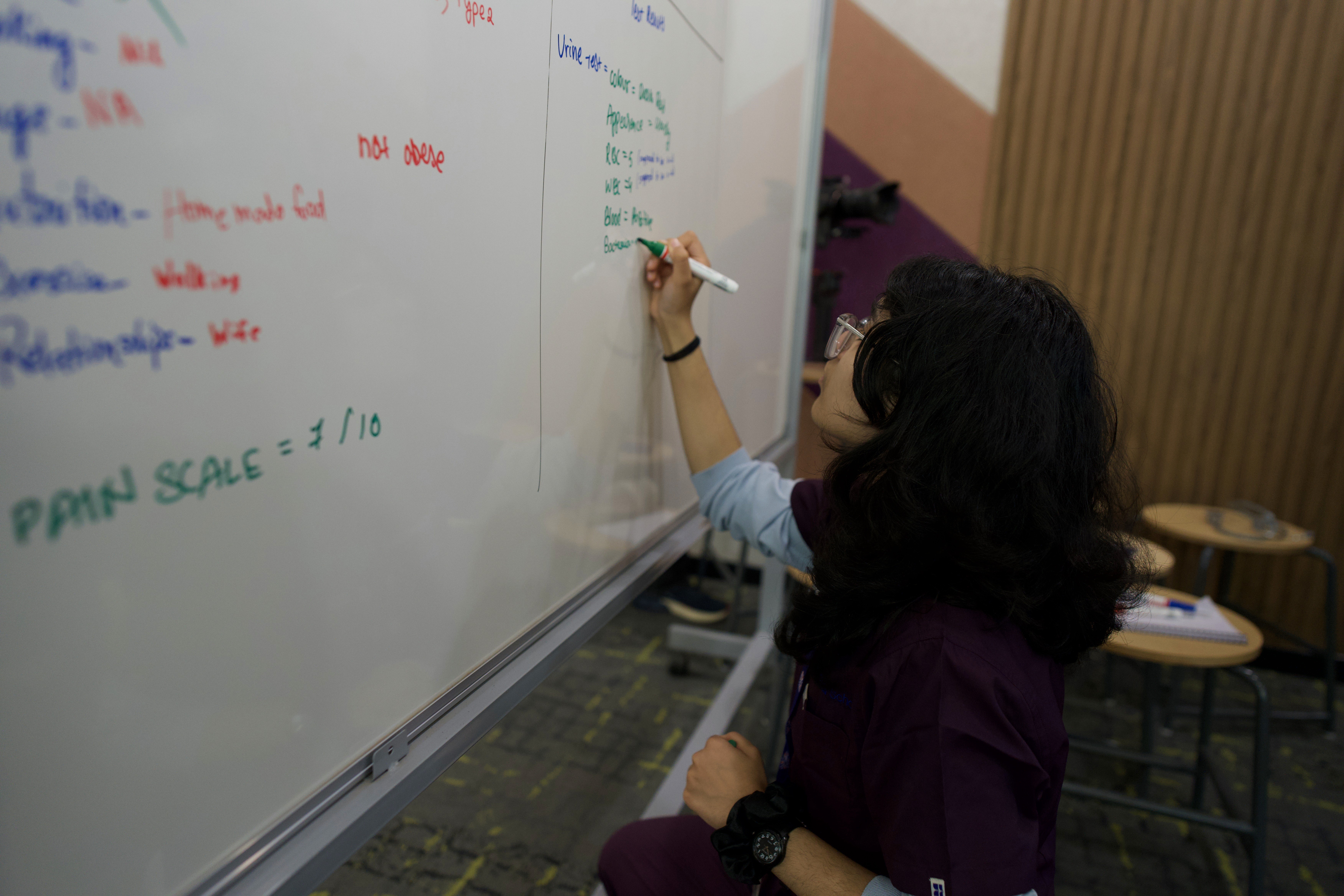
Critical Thinking Skills in Education
Education systems today carry a responsibility far greater than delivering information. Exposure to endless facts, opinions, and digital content has changed what it means to truly learn.
Dependence on memorisation may help students pass exams, but it rarely prepares them to face unfamiliar problems. And this has made it quite evident that the modern world requires individuals who can reason, question, and solve problems. This reality places critical thinking in learning at the centre of meaningful education, where students are guided to understand every finer detail of the topic.
A young individual gets a confidence boost when they realise their thoughts have value and their questions have direction. Their readiness for life after school also becomes stronger, since the world rarely provides clear answers. Situations demand judgment, and students who have practised thinking are better prepared to face that responsibility.
However, growth in this area does not happen automatically. Practice, reflection, and guided learning shape how students think over time. And along with it, even actions like daily choices, simple comparisons, and classroom discussions all contribute to this process.
What Are Critical Thinking Skills?
Silence in a classroom can mean many things. Confusion sometimes. Fear sometimes. And sometimes, real thinking. Critical thinking skills refer to the ability to analyse information, evaluate evidence, interpret meaning, and make reasoned judgments. Meaning of the word kritikos is able to judge or discern, and that idea sits quietly at the heart of education.
American psychologists Watson and Glaser define critical thinking as a combination of knowledge, attitude, and performance. It includes skills such as recognising assumptions, using deduction, interpreting information, evaluating evidence, and applying logical reasoning. These skills allow students to examine information carefully and reach conclusions based on their own judgement rather than relying only on memorised answers.
Core Components of Critical Thinking
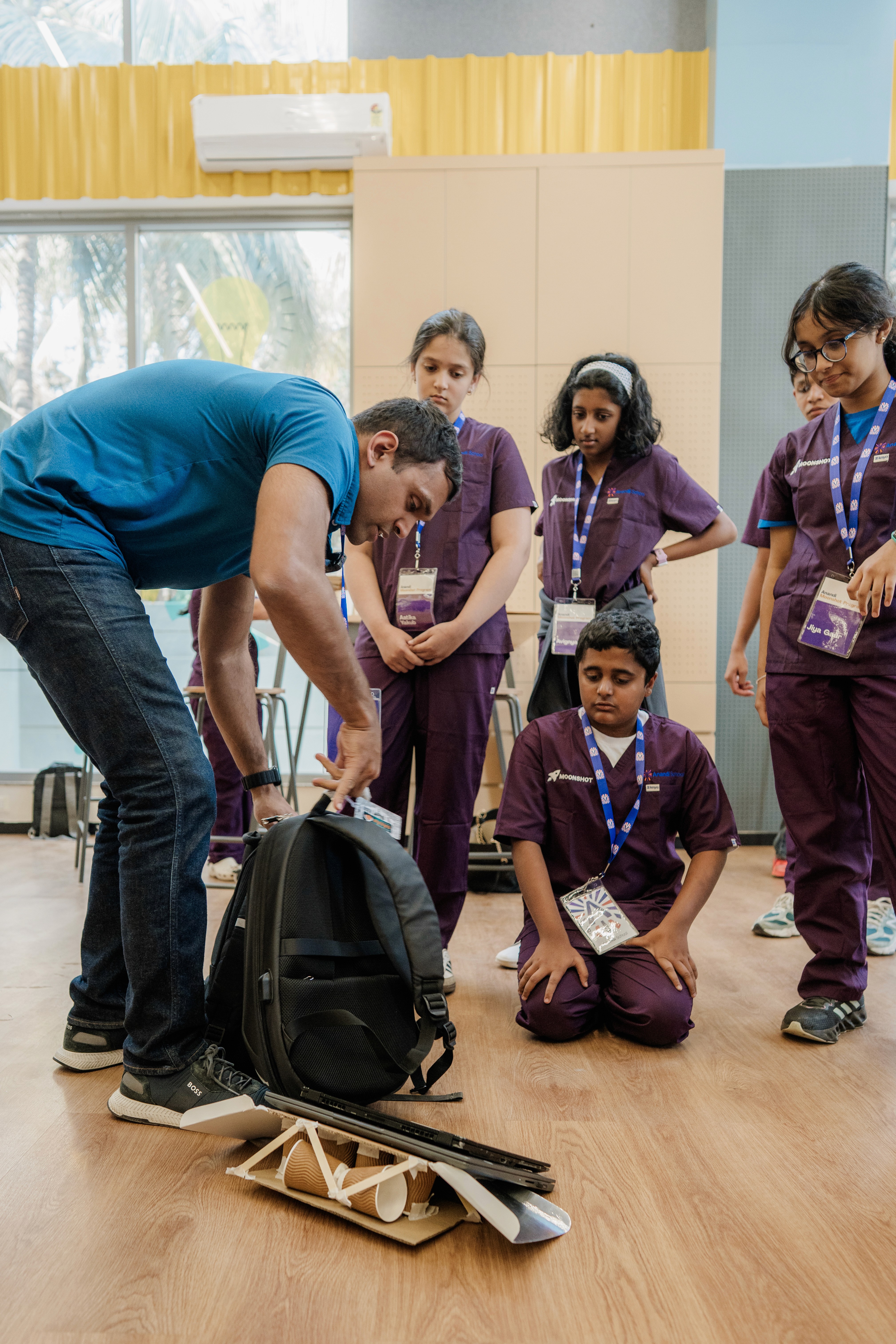
Growth of critical thinking skills depends on certain inner abilities that allow students to question, reflect, and move forward with confidence.
Analytical skills: The ability to look closely at information allows students to notice relationships, contradictions, and gaps. Ideas stop feeling distant because students begin to see how parts connect to form meaning.
Logical reasoning: Reasoning gives students a basis to form conclusions they can justify academically. Evidence from academic research has shown that deductive reasoning is strongly linked with stronger academic performance, not because of memory, but belief in that judgment.
Evaluation skills: Careful judgement of evidence and claims allows students to decide what deserves belief, strengthening confidence in their own thinking.
Problem-solving ability: Through engagement with problems and possible responses, students learn to manage academic and real situations more independently.
Reflection and self-regulation: Awareness of one’s own thinking helps students recognise mistakes and grow, building intellectual honesty and maturity.
Information literacy: Careful judgment of information protects students from misinformation and helps them learn responsibly in a technology-influenced world.
Importance of Critical Thinking Skills
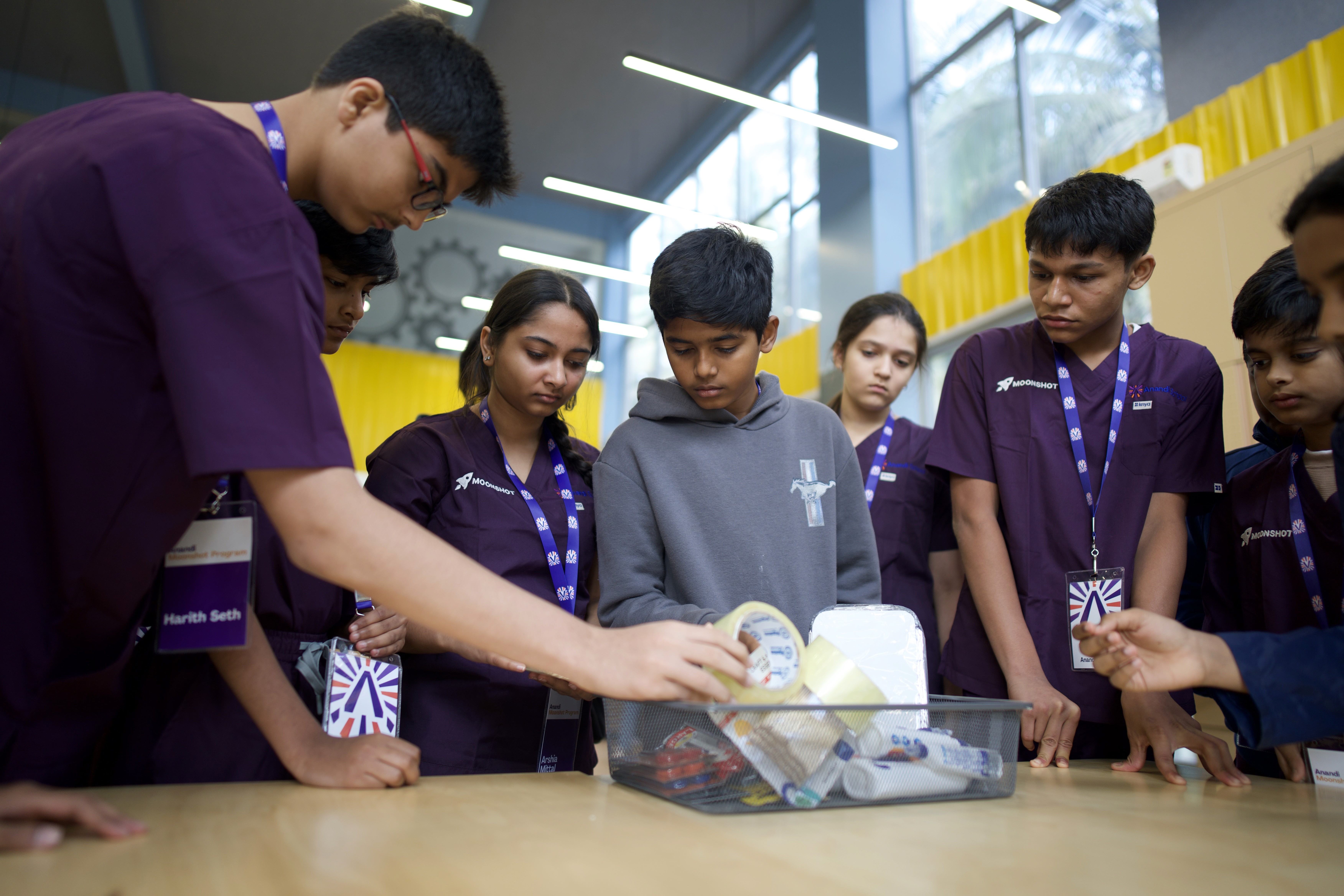
Questions in classrooms rarely stay inside textbooks. Thoughts carried by students shape how they perform, decide, and grow long after lessons end. The importance of critical thinking skills lies in this deeper influence.
Academic Performance
Learning becomes stronger when students understand why something is true. A recent research involving 216 students reports a significant relationship between critical thinking and academic performance.
Students with stronger critical thinking skills showed higher academic success.
Inferential ability, which helps students conclude from information, showed a clear statistical connection with performance.
Career Readiness
Classroom learning slowly finds its place in professional life. Knowledge supports the work, while thinking supports the decisions that come with it. Managers review situations before choosing a direction. Nurses consider patient information before deciding on care.
Similar patterns appear across professions, where conclusions come from examining information carefully. Preparation for this begins during a student’s early years. Exposure to discussion, reasoning, and explanation helps students become comfortable with making decisions.
Decision-Making Ability
Moments of decision do not wait for adulthood. Choice of subjects, response to a situation with friends, and later, decisions about work and finances all ask for the same thing.
Space in learning where students compare options and explain their thinking slowly prepares them for this responsibility. Familiarity with weighing consequences begins here, inside classrooms, long before those decisions carry a larger weight. A sense of ownership begins forming, and students start seeing their decisions as something they shape, not something decided for them.
Adaptability to the Modern World
Information now reaches students long before it reaches the classroom. Phones with longer screen times, social media, and online tools bring ideas, divergent thinking, and claims throughout the day. Some of it helps learning. Some of it requires careful thought. The presence of artificial intelligence in education or even daily life has added another layer, where answers appear quickly but still need examination.
Critical thinkers adjust better to change because their strength is associated with reasoning. And that same stability in thinking allows them to face uncertainty without losing direction.
Lifelong Learning
The end of formal education does not end learning itself. Critical thinking skills for students nurture intellectual independence that continues with them into adulthood. Students learn how to learn, not just what to learn, a principle followed by the best international curriculum schools in india. This ability supports continuous growth, helping individuals remain capable, responsible, and aware throughout their lives.

Examples of Critical Thinking Skills
The presence of critical thinking becomes clearer when observed through student behaviour during learning. Classrooms provide regular situations where students examine information, explain their reasoning, and respond to ideas.
Similar situations continue outside school, where students evaluate information and make choices. These examples help show how thinking develops in practice and how students apply what they learn in both academic and everyday contexts.
Classroom Examples
Classroom situation | What students do | What this builds over time |
Debates and discussions | • Question ideas presented in class • Listen to different viewpoints • Defend their reasoning with examples | • Confidence in expressing thoughts |
Case studies and problem solving | • Examine real school or community problems | • Sense of responsibility |
Evaluating information | • Examine online information carefully | • Awareness of misinformation |
Reflective journaling | • Write about their thinking process • Identify where confusion happened | • Self awareness |
Real World Examples
Real life situation | What thinking involves | What this protects or supports |
Nurse diagnosing a patient | • Observing symptoms carefully | • Patient safety |
Manager selecting software | • Comparing available options | • Organisational stability |
Consumer choosing products | • Comparing quality and value | • Financial safety |
Citizen evaluating public claims | • Questioning information presented • Comparing multiple viewpoints | • Responsible participation |
Benefits of Critical Thinking Skills for Students
According to a report, 45% of organisations struggle to find required skills, increasing to 67% among large employers. The half-life of professional skills has declined from 10–15 years to nearly five years.
Deeper Cognitive Maturity
At an advanced stage, students stop limiting their thinking to the immediate outcome. Classroom analysis at this stage involves examining second and third-order effects. A decision is to be studied not only for its direct result but also for how it influences related systems over time.
Students at this level learn to:
Map second-order and third-order consequences that follow the initial outcome
Anticipate how one decision can trigger effects across connected systems
Evaluate long-term trade-offs alongside immediate gains before deciding
Stronger Ethical Judgement
High-level thinkers practise introspective humility. Students must learn to represent opposing views accurately and in their strongest form before deciding their own position.
They learn to:
Separate ego from evaluation
Build positions that withstand rigorous scrutiny
Resistance to Manipulation
Elite critical thinking includes analysing incentive structures. Instead of asking only “Is this credible?”, students ask, “What does the source gain if I believe this?”
Decode hidden financial, social, or political incentives
Identify meta-narratives behind claims
Recognise social proof and consensus blind spots
Emotional Regulation in Complex Situations
Uncertainty often creates a natural urge to settle on an answer quickly. Students at this level learn to manage that urge. Conflicting ideas may exist together, and thinking continues without forcing resolution. Emotional control supports clearer judgement because conclusions are not driven by impatience.
Students learn to:
Stay with conflicting ideas without rushing closure
Hold judgment until analysis feels complete
Remain mentally composed while clarity is still forming
Intellectual Independence
Elite thinkers go above defensive logic and take intellectual risks. They question the premise itself, changing the way they think about problems instead of just making bad assumptions better.
Students learn to:
Find and question hidden assumptions
Separate the real problem from the quick fixes.
Look for positions that aren’t popular but are well thought out
Long-Term Cognitive Flexibility
Ivy-tier reasoning is probabilistic. There is less inclination to black and white nature towards decisions. Beliefs are treated as working hypotheses, continuously updated when new evidence appears.
An adept thinker can:
Update their belief without the influence of ego
Replace certainty with calibrated confidence
Depth Over Information Overload
Strategic thinkers synthesise knowledge across disciplines. A concept learned in economics may influence how they interpret history. A principle from biology may influence how they approach a systems problem. Thinking becomes less dependent on isolated facts and more dependent on relationships between ideas.
Cross-pollinate ideas across fields
Build layered mental models
Recognise patterns across unrelated disciplines
How to Develop Critical Thinking Skills
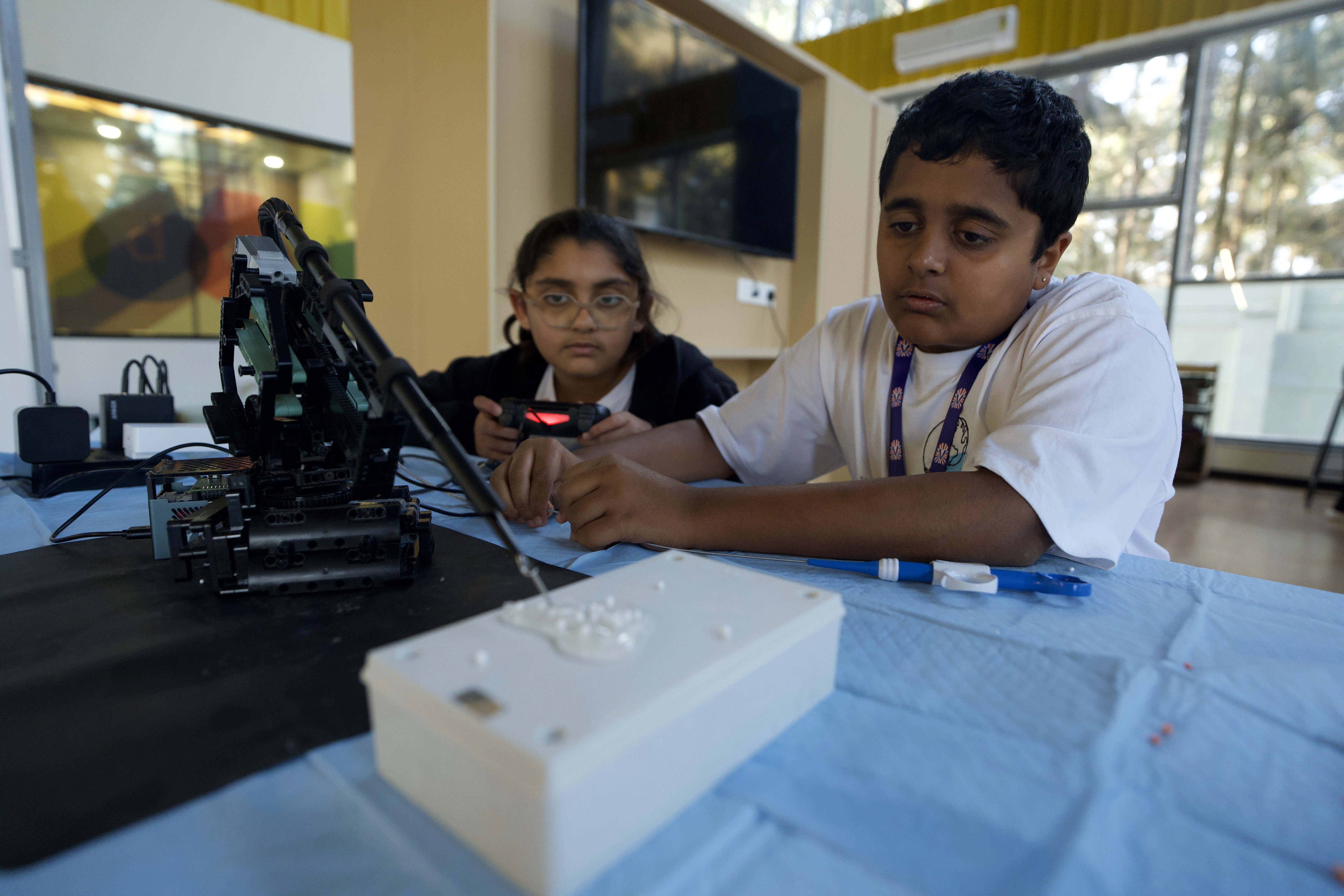
Developing critical thinking skills requires more than occasional questioning or classroom discussion. The right approach shifts classrooms from answer-focused environments to inquiry-driven spaces where students practise thinking repeatedly and purposefully.
Open-Ended Questioning
Open-ended questions stimulate deeper cognitive processing. Instead of prompting recall, they require students to interpret, justify, and evaluate information. Well-designed questions activate higher-order thinking and improve conceptual clarity.
Discussion-Based Learning
Structured discussions and debates improve reasoning, argument evaluation, and perspective-taking. When students articulate positions and respond to counterarguments, they refine logical clarity and strengthen evaluative judgement.
Reflection and Journaling
Reflection develops awareness of one’s own thinking. When students analyse how they arrived at conclusions, they refine judgement and recognise cognitive biases.
Project-Based Learning
Project-based learning requires a consistent flow of inquiry, synthesis, and presentation. Students get to apply their research, analysis, and evaluation skills in integrated tasks, strengthening practical reasoning.
Information Literacy Training
With constant exposure to online content, it has made careful evaluation an essential part of learning. Students are now encountering facts, opinions, and claims from many sources each day - one can’t monitor it for them all the time. This practice supports responsible learning and protects students from accepting information that has not been properly examined.
Collaborative Learning
Group learning gives students access to perspectives different from their own. Hearing about the way others interpret the same problem brings new considerations into focus.
Align Teaching with Learning Styles
Research suggests that instructional variation influences how effectively students develop reasoning skills. Diverse methods ensure inclusive engagement and deeper cognitive growth.

Challenges in Developing Critical Thinking Skills
Reports show that 93% of teachers around the world think that critical thinking is important, only 21% have the right materials to teach it, almost 50% don’t have enough time, and only 17% have had the formal training they need to teach it.
Exam-Focused Education
Assessment patterns influence how students approach learning. Systems that reward correct recall naturally guide students toward memorization. The entire motive of the examination then shapes up reproducing answers that match expected responses. Research has shown situations where higher grades did not reflect stronger thinking ability.
Passive Learning Environments
It is said that lectures are the way that students learn, but make them less active, and have fewer chances to practice reasoning when they only listen and don’t ask questions, share ideas, or use what they’ve learned. You can’t just sit and listen to someone else talk; you have to participate in order to improve your critical thinking.
Limited Teacher Training
To teach critical thinking, you need to use certain methods, like planned questions, guided discussions, and activities that make you think. Even across international curriculum schools in whitefield bangalore, only a small number of teachers receive formal training in these areas, which means that many of them don’t have the right tools or confidence to use them well in the classroom.
Time Constraints
It takes time, practice, feedback, and revision to improve your thinking skills. But strict syllabi and tight academic schedules often don’t leave much room for open discussions or solving real-world problems, which makes it harder to understand things more deeply and get involved in a meaningful way..
Technology Dependency
Technology now sits alongside most learning experiences, and students are used to finding answers within seconds. Speed helps them move forward, but it also changes how long they stay with a question. Time spent working through uncertainty has always played a role in shaping judgment. When answers arrive immediately, fewer chances exist for students to examine the problem on their own terms.
Fear of Failure
Many students hesitate to share their ideas or question assumptions because they are afraid of being wrong. Since critical thinking requires trying, revising, and learning from mistakes, this fear becomes a major obstacle to growth.
Recognising these challenges allows educators to design more intentional strategies, balancing curriculum demands with opportunities for meaningful thinking practice.
Conclusion: Why Critical Thinking Skills Are Essential Today
The world of today is very hyper-reactive. Diversified opinions, information is widely available, and responses are frequently prompt. The true benefit in such a setting is not having more knowledge but rather being able to think clearly.
Students who practise critical thinking start trusting their own minds. Information stops feeling like something they must accept, and begins to feel like something they can examine.
Instead of waiting for someone else to confirm the answer, they begin to stand by their own reasoning. New challenges will never feel like something to avoid, but something they can face, work through, and understand on their own.
Contact us to learn how we help students build strong thinking skills through experiential learning experiences.
FAQs
Q1. What are critical thinking skills for students?
Ans. For students, critical thinking helps them analyse any given information, ability to ask questions, evaluate evidence and make smart decisions. They evaluate concepts practically and have the ability to confidently justify their conclusion, rather than memorising and reading textbooks.
Q2. Why are critical thinking skills important in education?
Ans. Critical thinking improves how they solve problems and perform academically, and boosts their confidence. They prepare students to make real-life decisions, rather than just
give exams and read. Preparing students to handle uncertainty, evaluate any given problem and adapt changes in professional and academic demands.
Q3. What are examples of critical thinking skills?
Ans. Examples include evaluating arguments, spotting bias, contrasting solutions, resolving issues, coming to logical conclusions, challenging information sources, and considering one’s own logic before deciding on a course of action or forming an opinion.
Q4. Which fundamental elements make up critical thinking?
Ans. Analysis, logical reasoning, evidence evaluation, inference, introspection, and information literacy are essential elements. When combined, these abilities enable students to make fair, well-informed decisions and transition from uncertainty to clarity.
Q5. Is it possible to teach critical thinking in schools?
Ans. Yes it is. School must influence critical thinking with open-ended questions, discussing real-world issues, and project-based learning. With such an environment, every students’ reasoning and decision-making skills can gradually improve with regular practice and instruction.